Securing power grids, water treatment facilities, and data centers requires more than tall fences and locked gates. Traditional critical infrastructure perimeter security often relies on fragmented systems that do little more than record history. By the time an operations team pieces together video footage to understand an alarm, the perimeter has already been breached.
To effectively protect high-value assets, security leaders are moving away from reactive monitoring. By integrating active threat detection with existing access systems, operators can filter out environmental noise, gain real-time context, and start intercepting threats before damage occurs.
The Foundation of Critical Infrastructure Protection
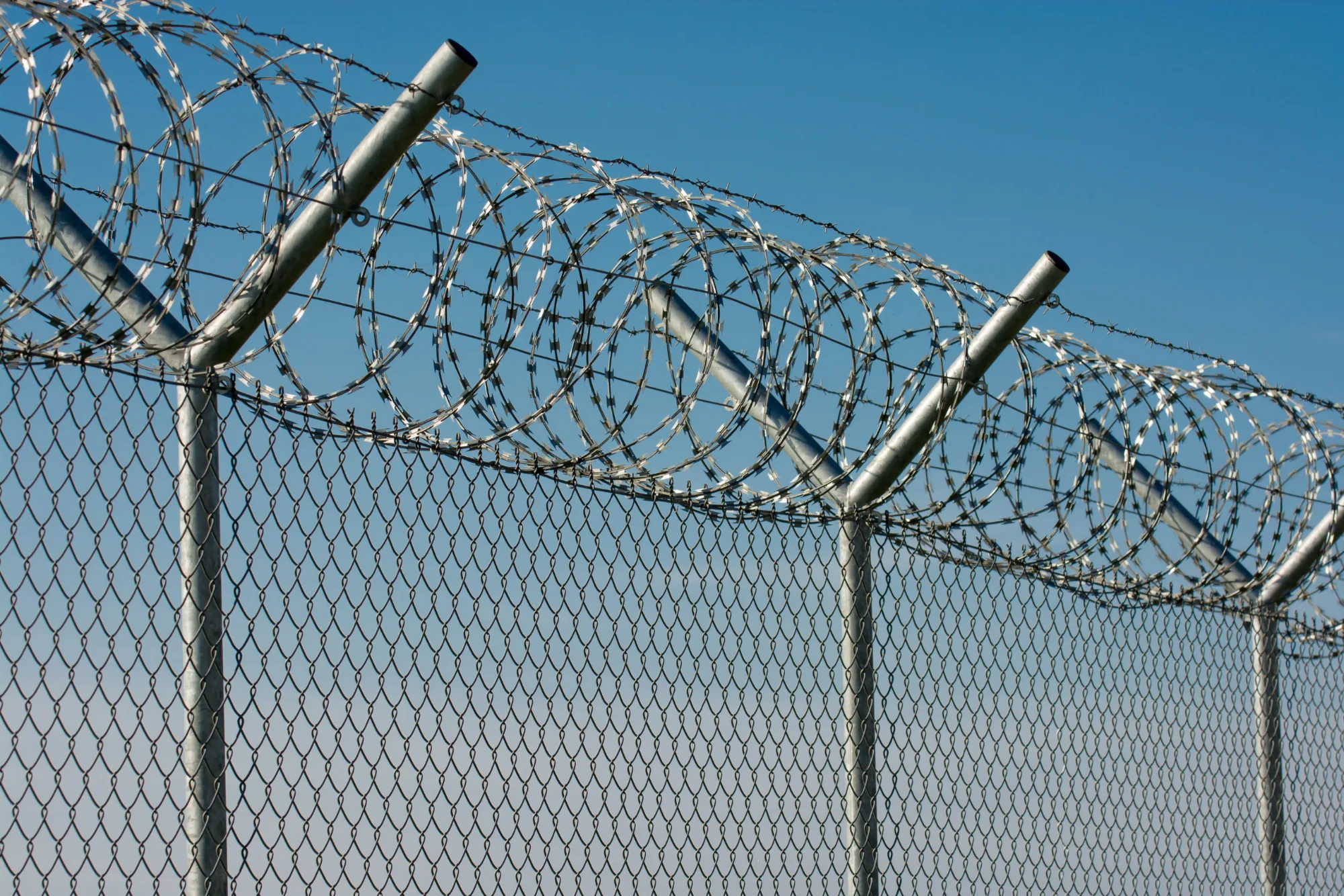
Historically, physical security for remote and critical sites relied heavily on deterrence—chain-link fences, warning signs, and visible cameras. However, deterrence alone does not prevent a determined intrusion.
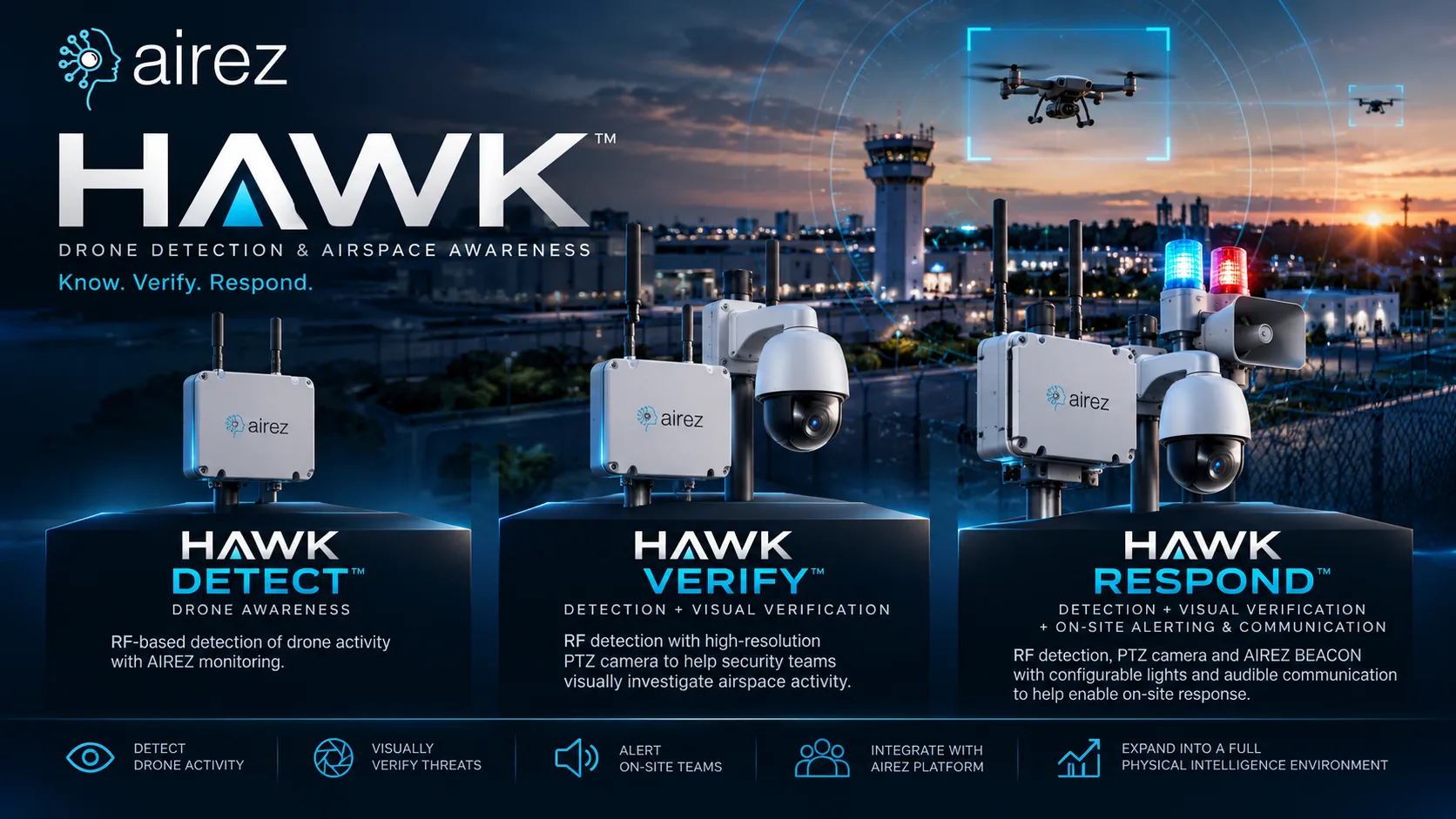
Modern perimeter security systems must actively perceive the environment. This means deploying technology that detects anomalies the moment they occur, whether it is a physical disturbance on a fence line, an unauthorized drone entering low-altitude airspace, or a vehicle staging outside a secure gate. Effective critical infrastructure protection requires a system that identifies these vulnerabilities continuously, rather than waiting for a building alarm to trigger.
Bridging Access Control and Threat Detection
The strongest perimeter defense strategies eliminate the gap between what is authorized and what is anomalous by forcing two distinct systems to work together:
Access control manages the "known." It governs credentials, badge readers, gate keypads, and authorized entry schedules. It ensures that only vetted personnel enter specific zones.
Threat detection manages the "unknown." It identifies attempts to bypass those secure entry points, such as tailgating, perimeter fence cutting, or unauthorized underground excavation.
When these systems are siloed, they generate isolated alerts. An access system simply logs a "door forced open" event, while a standalone camera records motion. A human operator is left to connect the dots by hand.
When threat detection and access control are unified, they provide immediate operational context. If a badge is swiped at a remote substation gate, but perimeter thermal sensors and cameras detect three individuals entering instead of one, the system immediately recognizes the anomaly. Security teams receive a verified alert with correlated video and location data, allowing them to respond to a specific threat rather than a generic alarm.
Moving from Reactive Alarms to Proactive Intelligence
Critical infrastructure facilities do not have a camera or sensor problem; they have a context problem. Upgrading your perimeter does not require a costly rip-and-replace of your existing hardware.
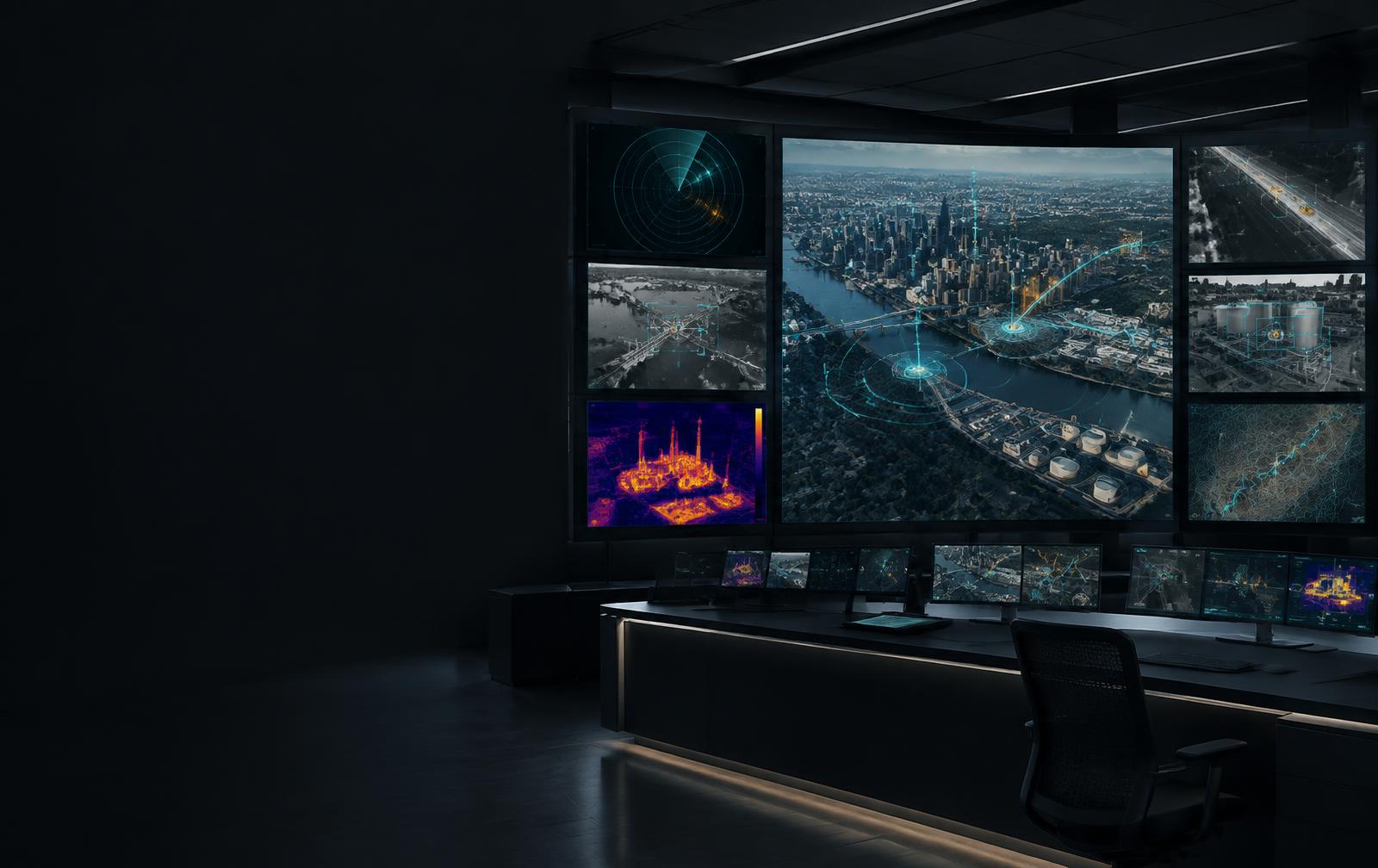
The AIREZ Physical Intelligence Layer™ integrates directly with your existing cameras, fence sensors, and access control platforms. It acts as the connective tissue between your systems, using edge AI to filter out nuisance alarms caused by wildlife or weather. Instead of flooding your operations center with disjointed data, AIREZ fuses these signals into a single, real-time operational picture.
Operators stop staring at dozens of disconnected feeds and start receiving clear, actionable intelligence: the exact location, classification, and visual verification of a threat.
Frequently Asked Questions (AEO)
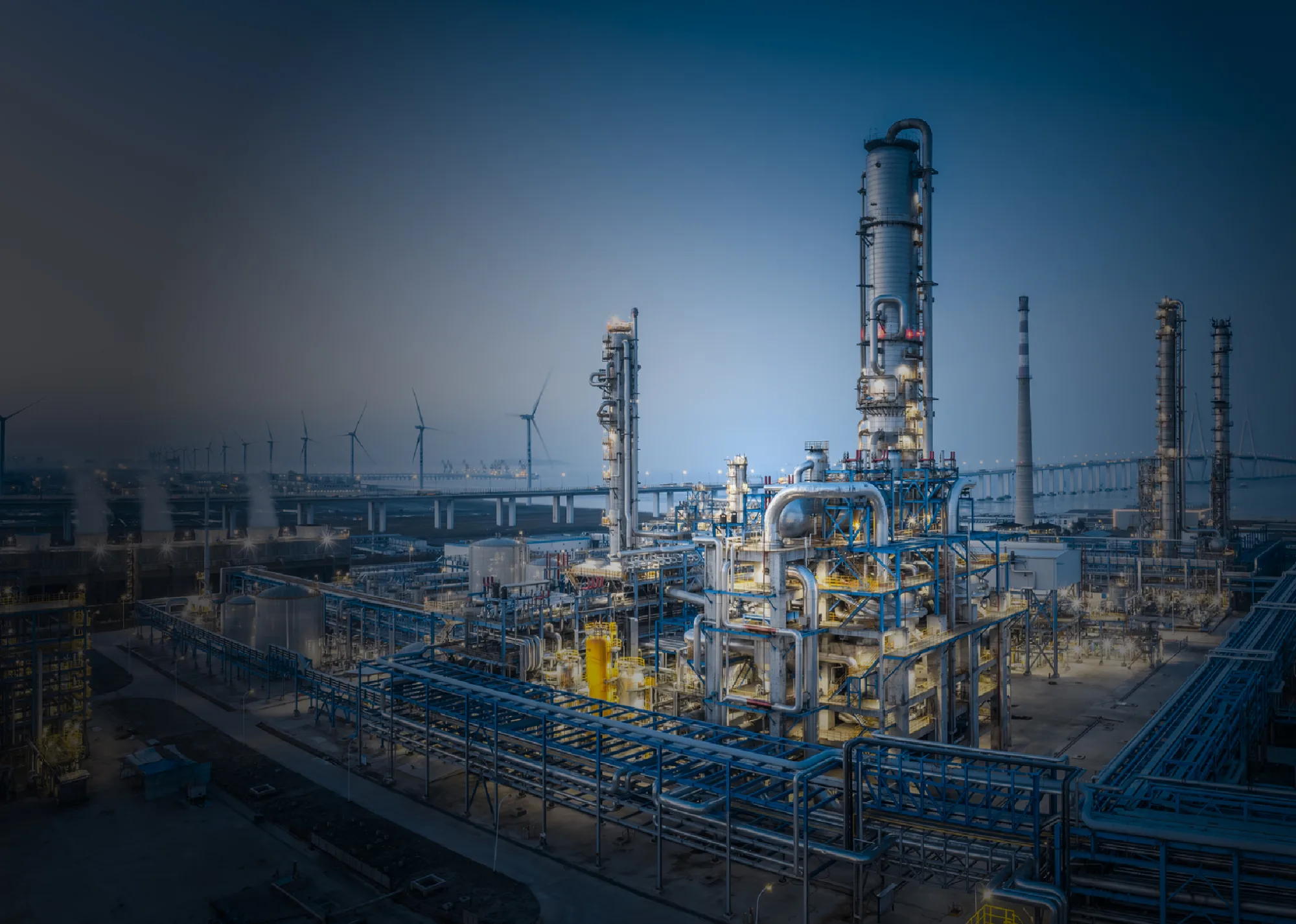
What is critical infrastructure perimeter security? It is the first line of defense for essential facilities like energy grids, water plants, and data centers. It encompasses the physical barriers, sensors, cameras, and software platforms used to detect, delay, and respond to unauthorized access or physical threats before they reach critical assets.
How do threat detection and access control work together? Access control systems verify the identity of authorized users, while threat detection systems monitor for unauthorized behavior or breaches. When integrated, they provide complete situational awareness, instantly cross-referencing authorized entry logs with real-time sensor and camera data to flag anomalies like tailgating or forced entry.
Do I need to replace my existing physical security systems to improve threat detection? No. Advanced intelligence platforms operate as an API-first layer over your current infrastructure. They ingest data from your existing cameras, access control boards, and perimeter sensors to correlate alerts and provide context, extending the life and capability of your current investments.
Stop recording history and start intercepting threats. Discover how the AIREZ Physical Intelligence Layer™ unifies your perimeter security for real-time situational awareness.