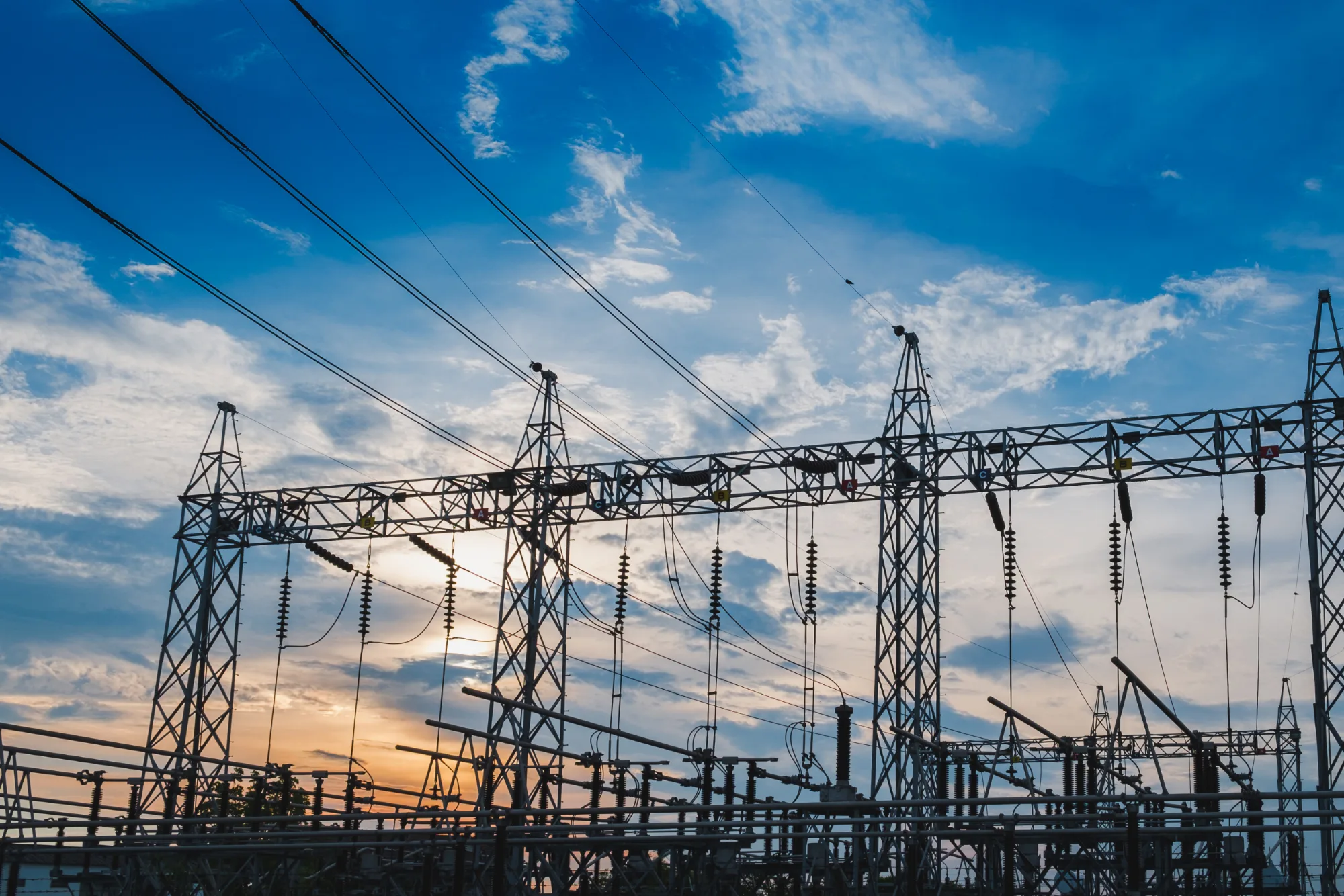
Securing the perimeter of a data center, utility substation, or remote industrial facility requires more than just a chain-link fence and a few scattered cameras. When protecting high-value assets and critical infrastructure, relying on reactive security measures means you are only recording history after a breach has occurred.
To intercept threats before they cause damage, operators are upgrading their boundary protection strategies. This definitive guide explains how to select, deploy, and monitor a modern fence detection system to ensure your security team receives actionable context, not just endless false alarms.
What is a Fence Detection System?
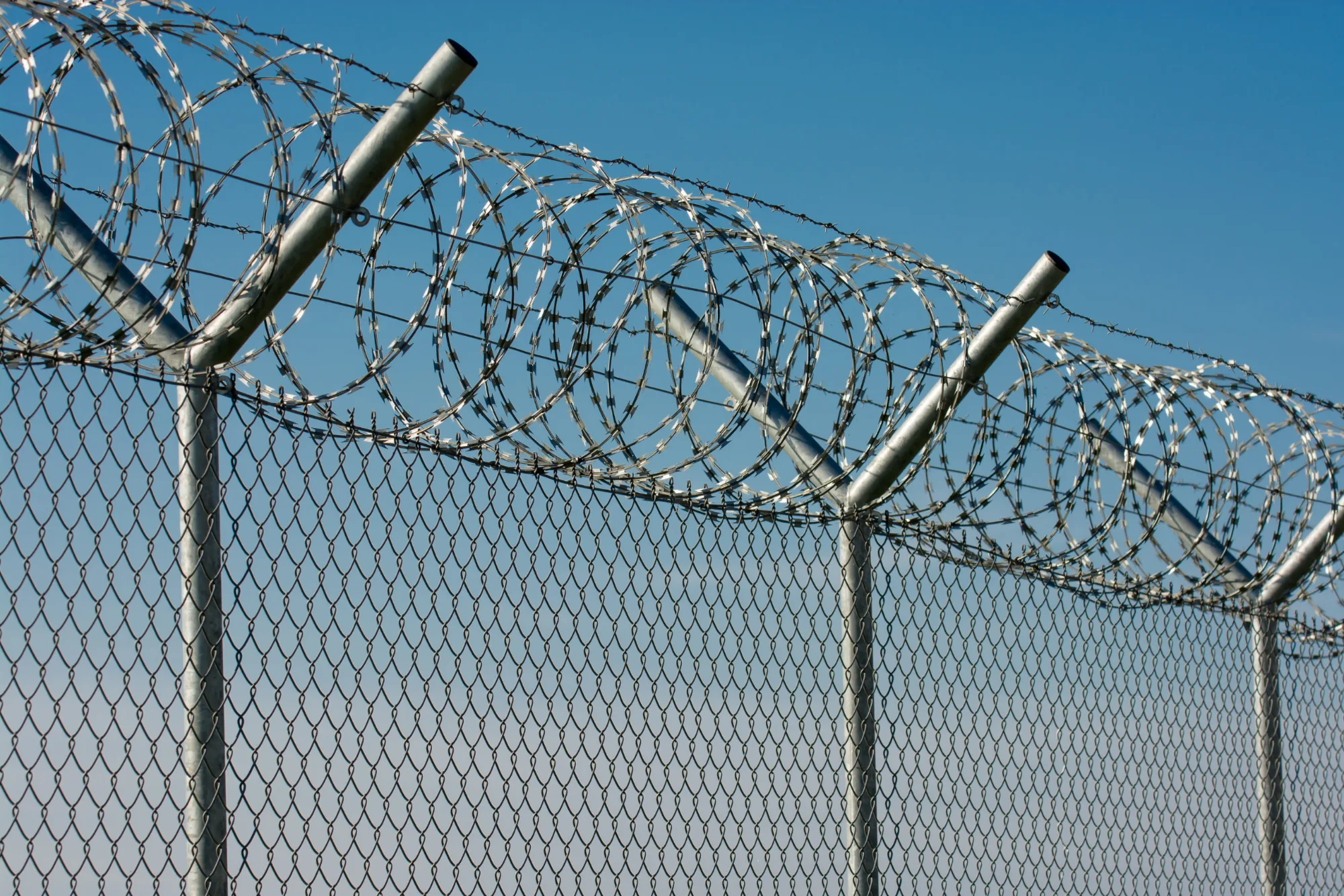
A fence detection system is a specialized physical security technology installed along a perimeter boundary to detect unauthorized access, cutting, climbing, or tampering. Unlike standard security cameras that rely on visual line-of-sight, a fence intrusion detection setup relies on vibration, pressure, or acoustic signals to identify a physical disturbance the moment it happens.
For critical sites, this acts as the absolute first line of defense, giving intercept teams the crucial minutes they need to respond before a perimeter is fully breached.
Technology Selection Criteria: Choosing the Right Sensor
Not all intrusion alarm systems are created equal. When evaluating perimeter security technologies for remote or massive facilities, security leaders typically encounter three main categories:
1. Traditional Point Sensors (Taut Wire & Mechanical)
How it works: Relies on physical tension changes or mechanical switches along the fence line.
The verdict: While highly reliable with low false alarm rates, these systems are expensive to install, difficult to maintain over miles of fencing, and lack exact pinpointing capabilities.
2. Volumetric Sensors (Microwave & Radar)
How it works: Projects an invisible field of energy between a transmitter and receiver, triggering an alarm when a mass disrupts the field.
The verdict: Effective for sterile zones, but heavily impacted by environmental noise (heavy rain, snow, blowing debris) and requires a clear line of sight, making it challenging for uneven terrain.
3. Fiber-Optic Detection (The Modern Standard)
How it works: Uses pulses of light sent through a fiber-optic cable attached directly to the fence fabric or buried underground. When the fence is cut, climbed, or lifted, the micro-vibrations alter the light pattern.
The verdict: This is the gold standard for modern perimeter security. A single cable can cover miles of fencing, pinpoint disturbances down to the exact meter, and detect underground digging. This is the core technology powering solutions like AIREZ PULSE™.
Deployment Patterns for Data Centers and Utilities
Effective security monitoring requires deploying sensors in a way that matches the specific threat landscape of your facility.
Fence-Mounted Deployment: The most common approach for sprawling utility sites. Fiber-optic cables are zip-tied or conduit-mounted directly to the existing fence fabric. This turns the entire perimeter into a smart sensor capable of detecting cutting and climbing.
Buried / Underground Deployment: Ideal for high-security data centers where aesthetics matter or where digging/tunneling is a recognized threat. The system detects the heavy vibrations of footsteps or excavation tools before the intruder even reaches the visible boundary.
Layered Deployment: The highest security standard. Combines a buried sensor line for early warning with a fence-mounted sensor for verification, integrated alongside PTZ (Pan-Tilt-Zoom) cameras.
The Problem: False Alarms and Fragmented Systems
Historically, the biggest challenge with a fence detection system has not been failing to detect an intruder; it has been detecting everything.
Traditional systems generate endless false alarms from high winds, passing heavy vehicles, or wildlife. When an operator is flooded with hundreds of alerts a night, alert fatigue sets in. The system is eventually ignored or turned down, leaving dangerous blind spots.
Furthermore, these traditional systems are fragmented. A fence sensor triggers a generic alarm, forcing the operator to manually hunt through 40 disconnected camera feeds to figure out what happened.
AI-Led Monitoring: The AIREZ Difference
Critical infrastructure does not have a camera problem—it has a context problem.
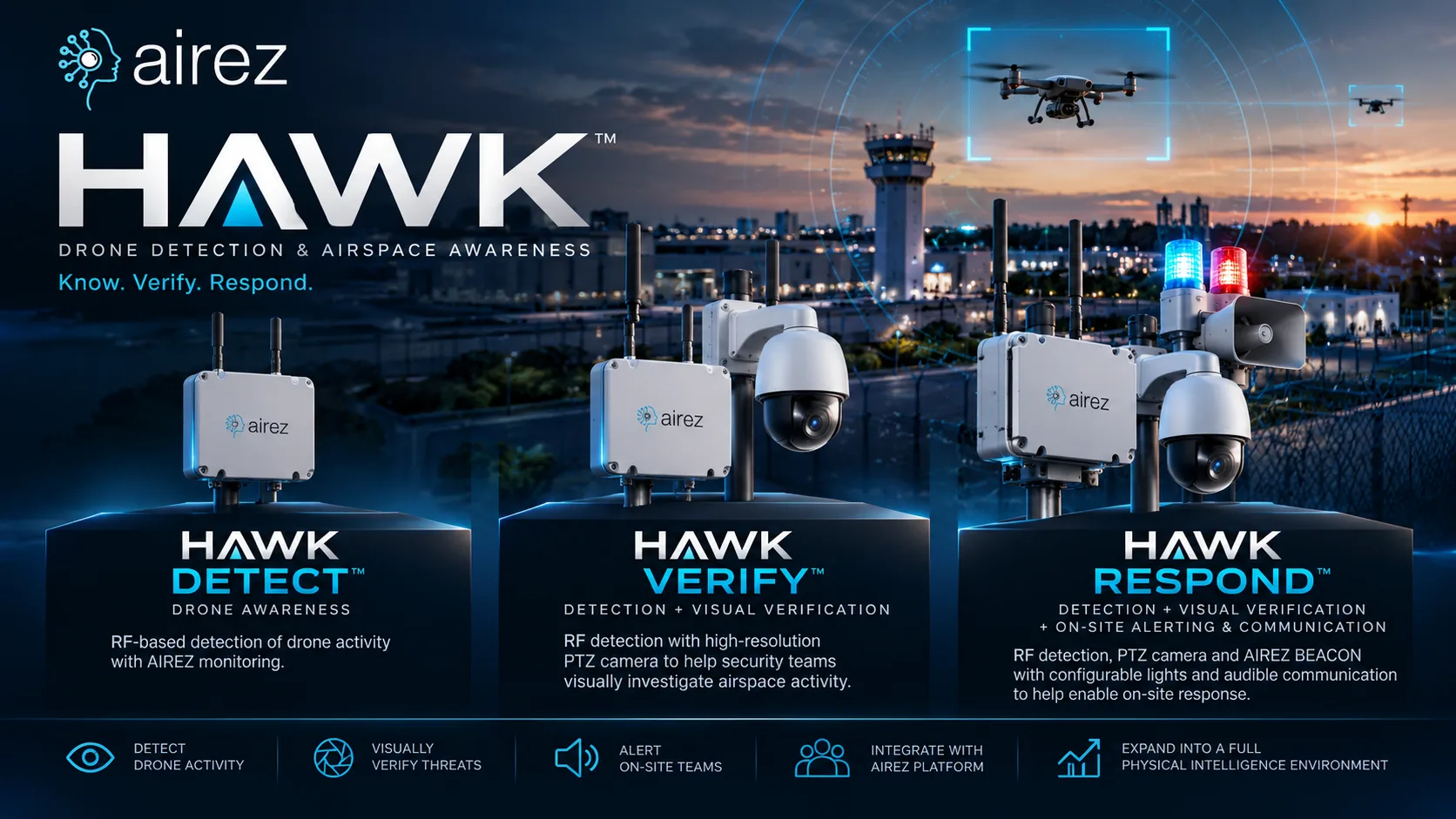
This is where AI-led monitoring changes the paradigm. Instead of ripping and replacing your existing hardware, the AIREZ Physical Intelligence Layer™ integrates directly with your existing cameras, sensors, and access systems to tie everything together.
When you deploy a system like AIREZ PULSE™, it doesn't just trigger a blind alarm when the fence shakes. The AI filters out the environmental noise (like wind or animals). If a true threat is detected, the system automatically correlates that exact location with your existing PTZ cameras, giving your security team a real-time, visually verified alert:
[!] Perimeter Breach: North Fence, Sector 4 Classification: Human (Multiple) - Cutting fence Action: Intercept Team Dispatched
Your operators no longer have to guess. They get real alerts with actual context, allowing them to stop recording history and start intercepting threats.
Frequently Asked Questions
Why do data centers need a specialized fence detection system? Data centers house high-value, mission-critical infrastructure. A specialized system provides zero-latency intrusion detection, pinpointing exactly where a perimeter is being tested before an unauthorized individual can approach the physical building.
Can fence intrusion detection systems ignore bad weather? Older technologies struggle with weather, but modern AI-powered fiber-optic systems filter out environmental noise. By analyzing the specific frequency and pattern of the vibration, AI can distinguish between high winds and a person cutting a chain-link fence.
Do I need to replace my existing security cameras to install boundary protection? No. Advanced intelligence platforms like AIREZ integrate directly with the hardware you already have. You can add fiber-optic fence sensors and tie them seamlessly into your existing camera and video management systems for a unified operational picture.
Stop managing fragmented systems and endless false alarms. Learn how AIREZ PULSE™ provides real-time, verified perimeter intelligence for critical operations.