
Real-time monitoring systems like Huvr’s Advanced Reasoning and Understanding Algorithm (AURA) are enhancing efficiency, productivity, and safety in all types of workplaces, including utility companies, educational institutions, government buildings, and others. Several manufacturing facilities have recently turned to the AI system to discover what the change would mean to them. Huvr CEO Herman DeBoard writes how sophisticated contextual analysis can improve manufacturing operations.
← AIREZ Newsroom
Company NewsMarch 21, 20251 min read
Here’s How AI Can Make Manufacturers Safer and More Efficient
Real-time monitoring systems like Huvr’s Advanced Reasoning and Understanding Algorithm (AURA) are enhancing efficiency, productivity, and safety in all types of workplaces, including utility companies, educational institutions, government buildings, and…
By Airez TeamUpdated August 10, 2026

Related stories

Company NewsSeptember 30, 20265 min read
Securing the New Perimeter: How AIREZ HAWK Defends Facilities Against Drone Threats
As unauthorized low-altitude airspace activity becomes a critical vulnerability, organizations require a modernized approach to secure their environments from above.
Read more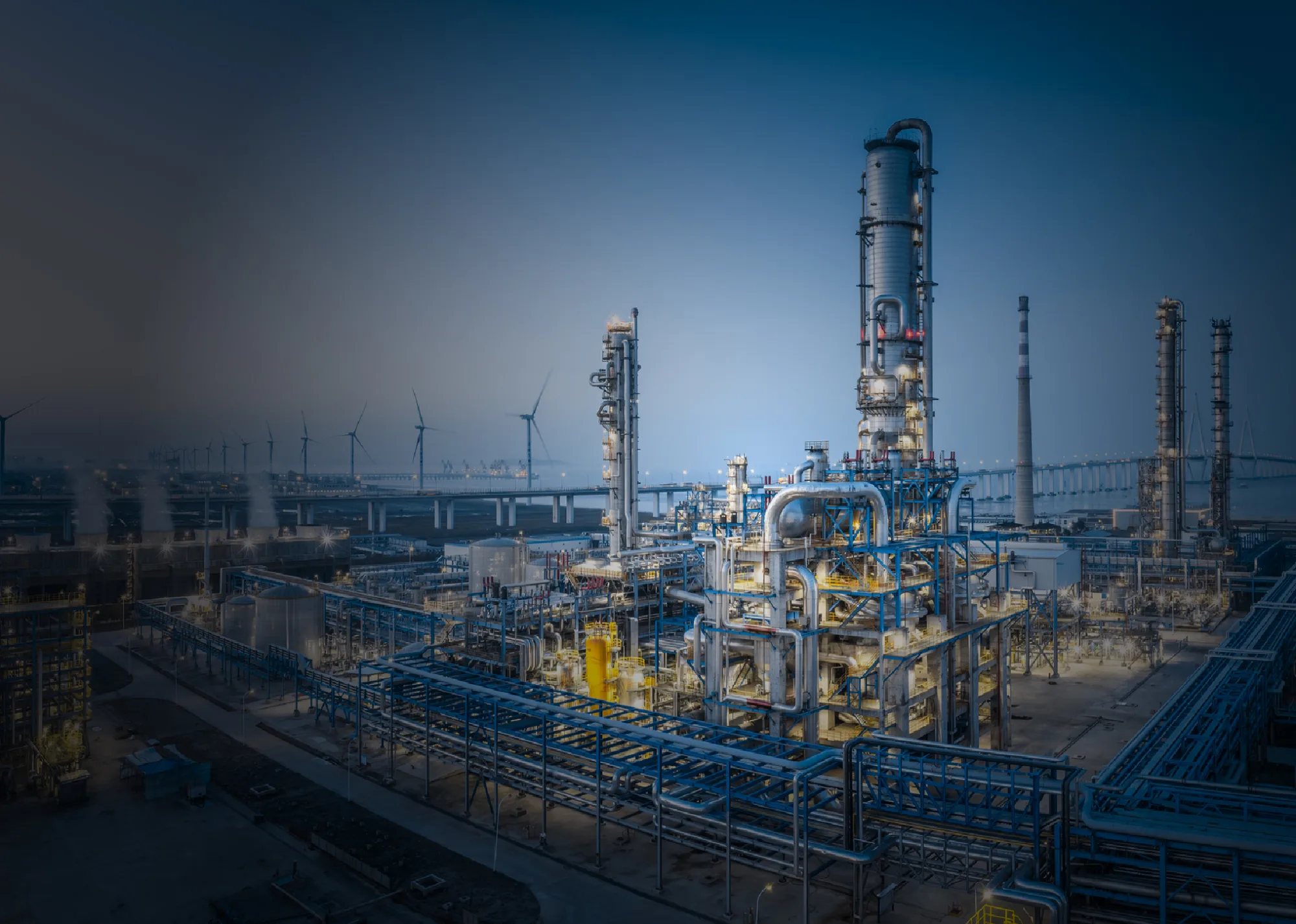
Company NewsSeptember 24, 20265 min read
Why Legacy Perimeter Security is Failing Critical Infrastructure (And How to Fix It)
Traditional perimeter security relies on disjointed cameras and sensors that generate overwhelming false positives from weather and wildlife. A Physical Intelligence Layer solves this by fusing data from existing cameras, radar, and fiber-optic sensors into a single edge-computing platform. This autonomous system cross-verifies threats in real-time, eliminating alert fatigue and enabling automated, logic-based responses for remote and critical infrastructure.
Read more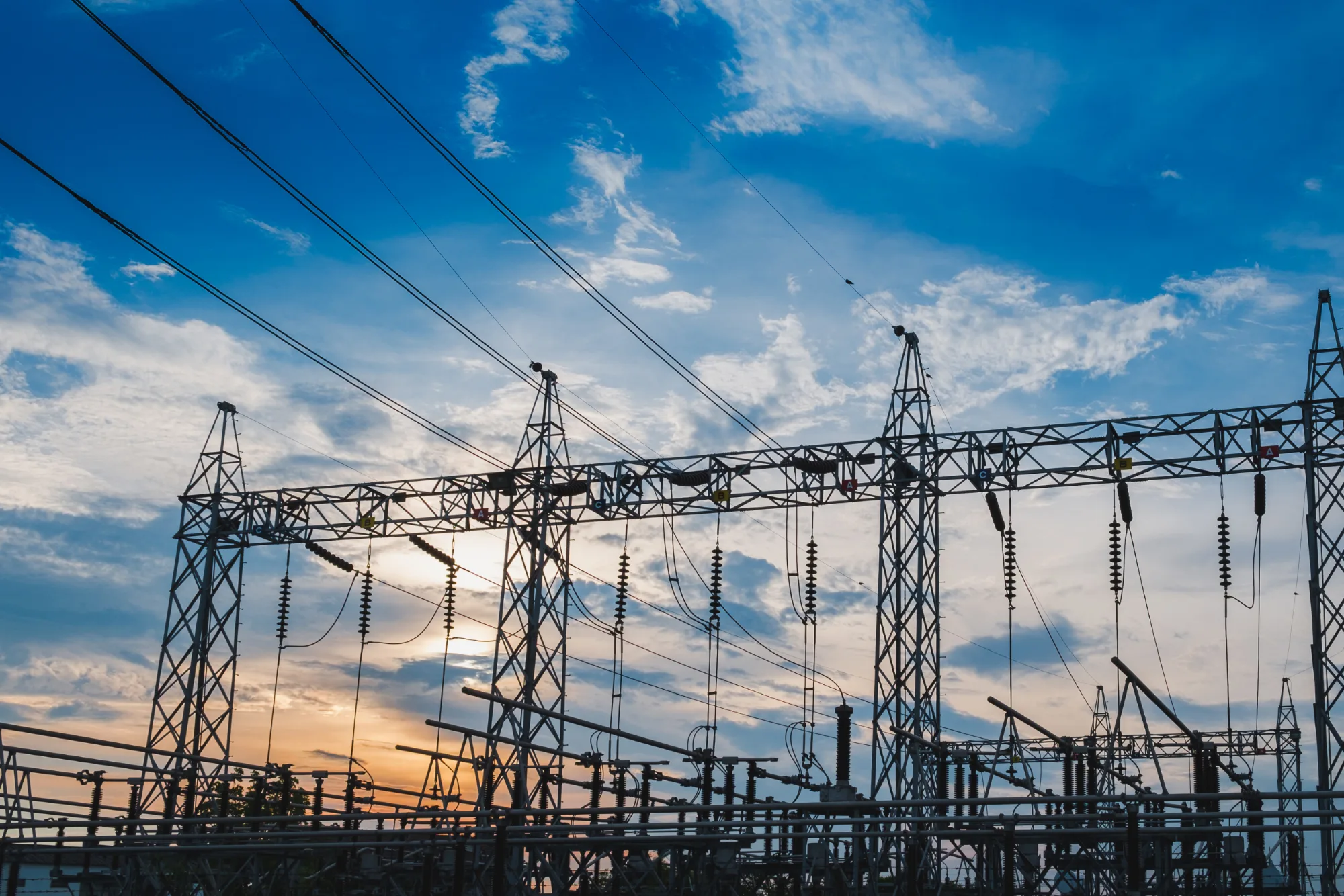
Company NewsSeptember 1, 20265 min read
Critical Infrastructure Perimeter Security Guide
Securing utility grids, data centers, and government facilities requires a flawless approach to perimeter protection. Legacy systems rely heavily on standard cameras and simple motion sensors. These outdated tools are fundamentally reactive and generate thousands of false alarms triggered by heavy wind, moving shadows, or wildlife.
Read more