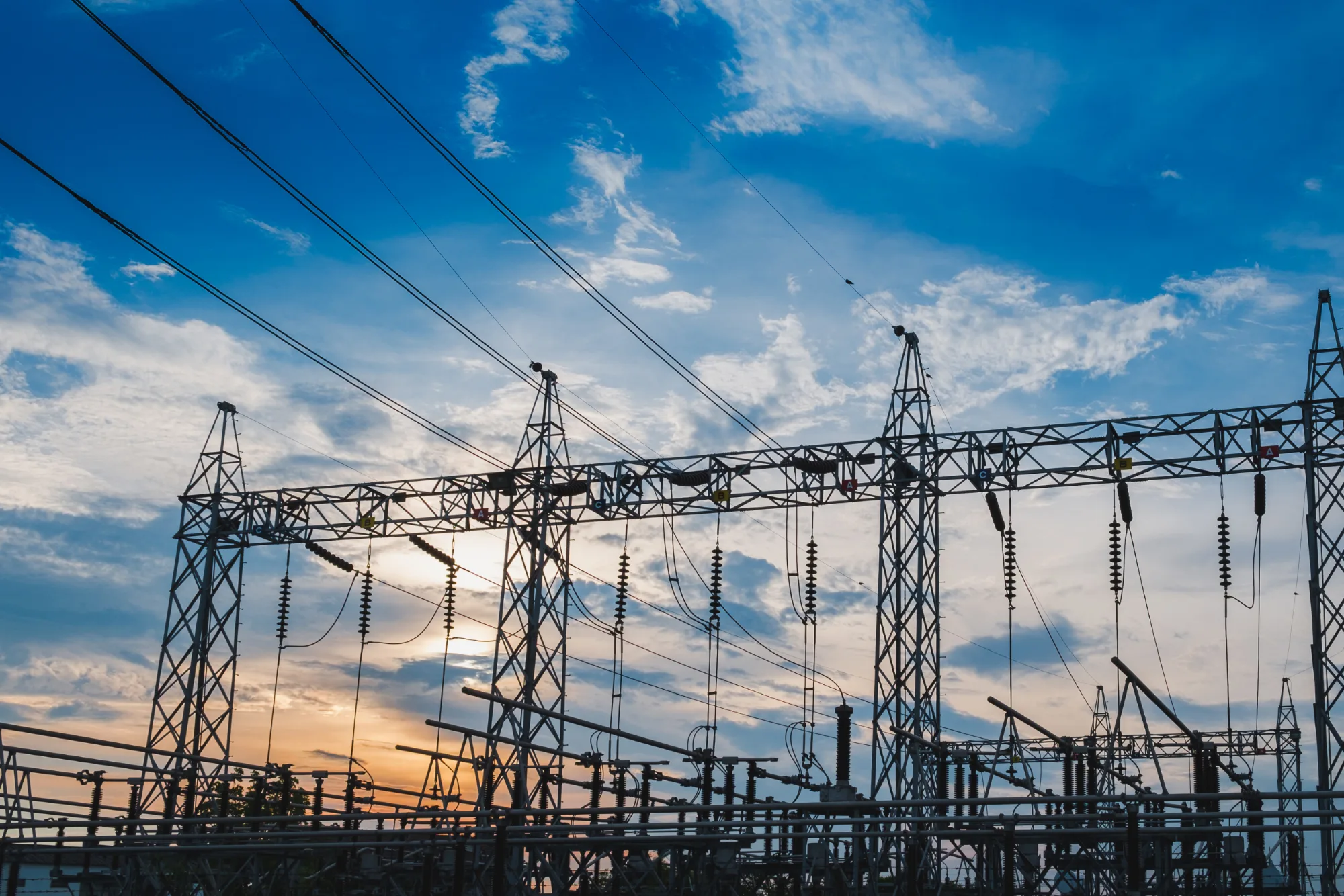

Traditional perimeter security relies on disjointed cameras and sensors that generate overwhelming false positives from weather and wildlife. A Physical Intelligence Layer solves this by fusing data from existing cameras, radar, and fiber-optic sensors into a single edge-computing platform. This autonomous system cross-verifies threats in real-time, eliminating alert fatigue and enabling automated, logic-based responses for remote and critical infrastructure.
The Breaking Point of Passive Defense
Securing critical infrastructure—like electrical substations, water treatment facilities, and remote energy pipelines—has historically relied on a "more is better" approach. More cameras. More fence sensors. More screens in the Security Operations Center (SOC).
However, this passive defense model is fundamentally broken. When physical security systems operate in silos, they detect motion without understanding context. A heavy storm, a roaming deer, or blowing debris all trigger the same high-priority alarms as a genuine intrusion attempt.
This creates a dangerous cycle of alert fatigue. When security teams are bombarded with hundreds of nuisance alarms a day, they become conditioned to ignore them. By the time a human operator manually investigates and verifies a legitimate breach, the intruder has already compromised the perimeter.
Enter the Physical Intelligence Layer
The future of critical infrastructure protection isn't about buying new hardware; it’s about making your existing infrastructure intelligent.
A Physical Intelligence Layer, like the one pioneered by Airez, sits directly between the physical world and your security operations. It ingests raw signals from the devices you already own and transforms them into an autonomous, self-monitoring system.
By applying advanced AI at the edge, the system achieves complete perimeter autonomy through:
Multi-Sensor Fusion: Cross-verifying threats by instantly analyzing data from fence intrusion detection systems (FIDS), ground-based radar, and thermal imaging simultaneously.
Autonomous Threat Filtering: Using edge compute to filter out environmental noise and wildlife, isolating genuine human or vehicular threats with pinpoint accuracy.
Immediate Deterrence: Triggering logic-based responses—such as activating floodlights or dispatching remote guards—the exact millisecond a breach is verified.
FAQ: Upgrading Your Perimeter Security
Do we need to rip and replace our existing perimeter hardware? No. A modern Physical Intelligence Layer is hardware-agnostic. It seamlessly layers over your current IP cameras, radar, and VMS platforms to provide immediate intelligence without requiring a costly total system replacement.
How does sensor fusion reduce false positive alarms? Passive defenses trigger alerts for every vibration. Sensor fusion analyzes multiple data points at once—for example, verifying a fence vibration against a thermal camera feed. If the data points confirm a human presence, the alert is escalated; if it's just heavy wind, the system autonomously filters it out.
Is this architecture suitable for remote, unmanned locations? Yes. Edge-computing architecture processes threat data locally, ensuring rapid detection and automated response even in harsh, low-bandwidth environments where active 24/7 human manning is impossible.
CTA: Stop reacting to breaches and start preventing them. Click here to learn how the Airez Physical Intelligence Layer can transform your critical infrastructure.