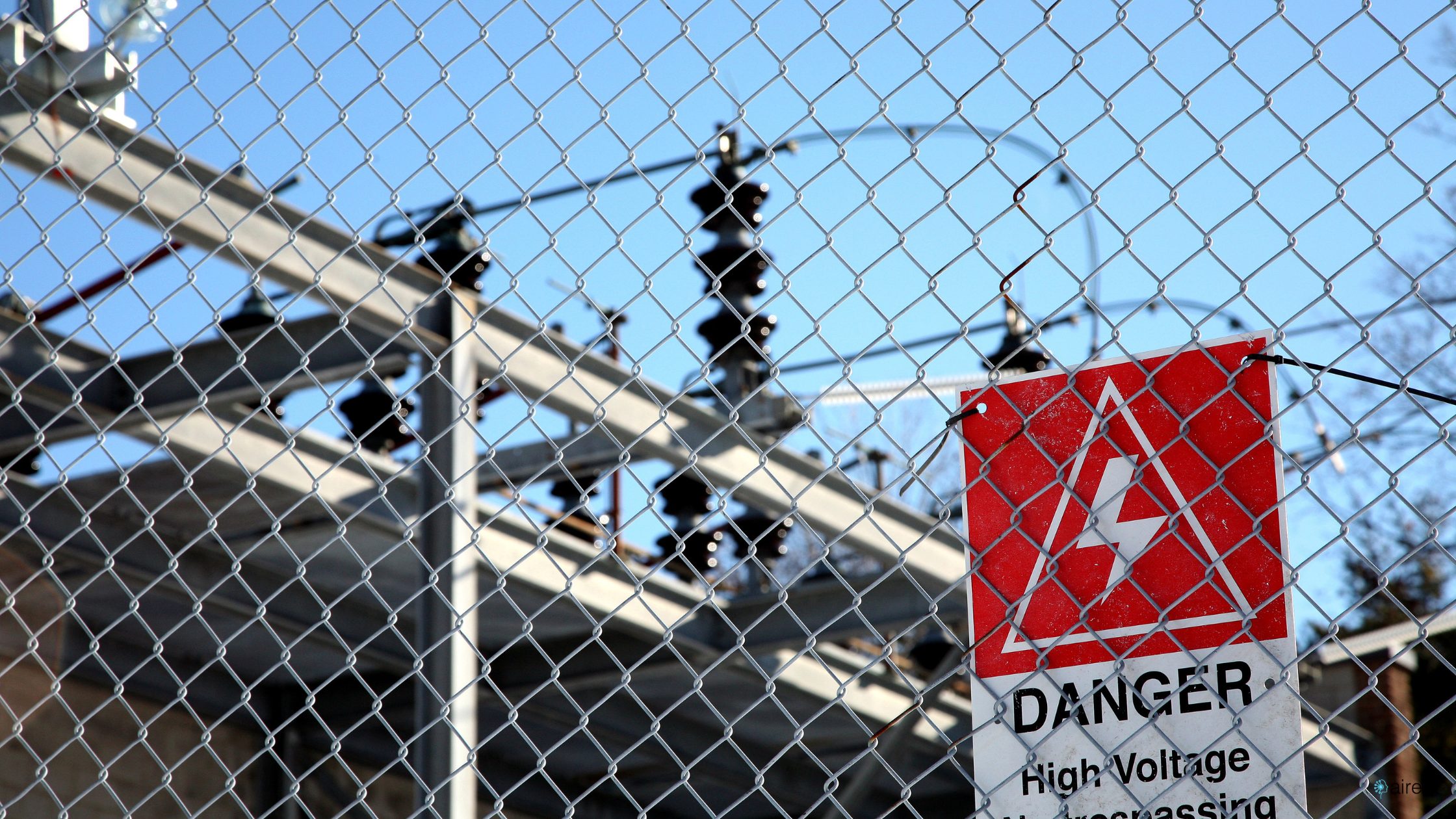
The modern electrical grid is facing a paradox. We rely on it more than ever for everything from electric vehicles to cloud computing. Yet the physical infrastructure that powers our lives remains surprisingly vulnerable. If you manage utility assets, you know that the chainlink fence surrounding your substation is often the only thing standing between a functioning grid and a blackout.
For decades, the industry treated substation security as a simple equation involving stronger fences and better locks. The goal was almost exclusively to stop copper theft. While copper theft remains a persistent nuisance, the threat landscape has shifted dramatically in the last few years. We are no longer just worried about a thief looking for a quick payout. We are worried about coordinated sabotage and domestic extremism targeting the grid’s most critical nodes.
This shift in intent requires a shift in technology. A physical barrier is no longer enough. To ensure true grid reliability, we have to stop the climb before the intruder breaches the perimeter.
The Problem with Passive Recording
Most utility companies have invested heavily in security cameras over the last decade. Walk into any Security Operations Center and you will see walls of monitors displaying live feeds from hundreds of remote sites. The problem is not a lack of video. The problem is a lack of attention.
It is humanly impossible for security personnel to watch every camera feed simultaneously. As a result, most video surveillance systems become purely forensic tools. They are excellent at recording a crime so you can watch it happen after the fact. You can see exactly when the intruder cut the lock. You can see exactly when they damaged the transformer. You can watch the footage while you fill out the police report and the insurance claim.
Forensic security does not prevent downtime. It only documents it.
In the current threat environment, recording is not enough. You need intervention. You need a system that detects the specific intent to breach the perimeter and alerts you while the intruder is still on the outside of the fence.
Understanding the “Climb” as a Behavior
This is where standard motion detection fails. If you have ever managed a remote security system, you are intimately familiar with false positives. A plastic bag blows across the yard. A deer walks along the perimeter. A heavy rainstorm triggers the sensors.
After the tenth false alarm in an hour, your security team stops treating them as emergencies. They assume it is just the wind. This is known as alert fatigue, and it is the best friend of any intruder.
To solve this, we need to move beyond simple pixel changes and start analyzing behavior. This is the core of the Airez approach. We do not just detect motion. We analyze the context of the movement to understand what is actually happening.
Consider the act of climbing a fence. It is a distinct physical behavior. It looks different than a person walking by. It looks different than a tree branch swaying in the wind. By using AI-driven behavioral analysis, we can isolate that specific action.
Airez provides actionable insights rather than generic warnings. Instead of a vague “Motion Detected in Zone 4” notification, a security director using our platform receives a specific description. It might read: “Middle aged man with black jacket attempting to scale fence”.
That level of detail changes everything. It validates the threat instantly. The security team knows this is not a deer. They know it is a human actively attempting to breach the perimeter. That clarity allows for an immediate response. They can dispatch law enforcement or trigger on-site deterrents before the intruder’s boots hit the ground inside the substation.
The “Layered” Defense Strategy
Security experts often talk about a layered approach to infrastructure defense. This usually involves concepts like Deter, Detect, Delay, and Respond.
The fence is the “Delay” layer. Its job is to buy you time. But buying time is useless if you are not using that time to react. If an intruder takes thirty seconds to cut through or climb a fence, and your system takes ten minutes to alert you, the layer has failed.
By integrating real-time AI monitoring into your perimeter security, you are connecting the “Delay” layer directly to the “Respond” layer. The fence slows them down just long enough for the software to analyze their behavior and send the alert.
This integration is critical because the assets inside that fence are often irreplaceable. Recent analysis on national security and grid reliability highlights a frightening reality regarding high-voltage transformers. These are massive, custom-built pieces of equipment. They are not sitting on a shelf at a hardware store. If a saboteur successfully climbs your fence and shoots or damages a transformer, the replacement lead time can be months or even years.
The strategic imperative is to protect these assets at all costs. The cost of a breach is no longer just the cost of repairs. It is the cost of long-term grid instability and potential regulatory fines.
Beyond the Human Intruder
While human sabotage is the headline threat, true substation monitoring requires a holistic view of the environment. Airez is designed to ingest data from an unlimited variety of sensors, not just cameras.
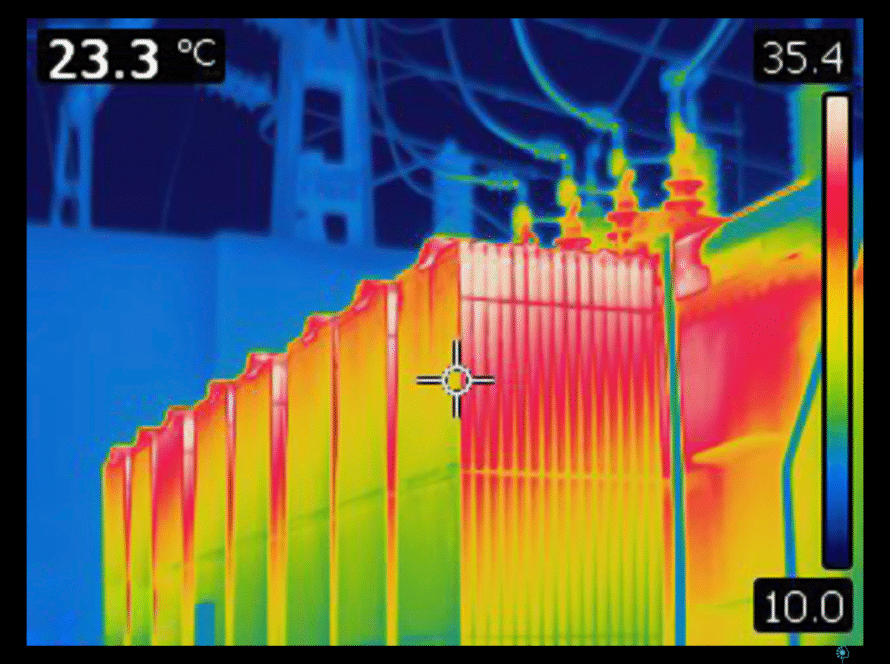
This means your physical security system can also double as an operational safety net. The same platform that watches for fence climbers can also integrate with thermal sensors to monitor transformer temperatures. It can detect the early signs of a fire hazard before smoke is even visible.
This convergence of security and operations is the future of utility management. It allows you to monitor the health of the grid and the security of the perimeter from a single dashboard. You can track the vibration of the equipment and the movement of intruders in the same interface.
Turning the Delay into a Defense
The goal of modern substation physical security is to turn the perimeter from a passive barrier into an intelligent shield. We have to stop thinking of security as a way to catch criminals and start thinking of it as a way to preserve reliability.
Every second counts when a bad actor is targeting the grid. The difference between a foiled attempt and a catastrophic failure often comes down to the speed of the alert. By utilizing context-aware AI, utility operators can filter out the noise of the environment and focus on the signals that matter.
You can distinguish between the wildlife that surrounds your remote sites and the threats that endanger them. You can move from a posture of recording disasters to a posture of preventing them.
The Time to Upgrade is Now
The grid is facing higher demand and higher scrutiny than ever before. Regulatory bodies and the public expect 100% uptime. Relying on the passive, reactive tools of the past is a risk that utility operators can no longer afford to take.
We have the technology to do better. We have tools that filter out the noise and focus on the signal. We have systems that can identify a climber before they breach the perimeter. We have platforms that turn security cameras into intelligent operational assets.
Modernizing substation physical security is not just about buying new hardware. It is about adopting a new mindset. It is about moving from a posture of recording crimes to a posture of preventing them. The tools are here. It is time to put them to work.
Ready to See What Your Fence is Missing?
If your current security system only alerts you after a breach has occurred, it’s time to upgrade. Don’t wait for a costly outage or a regulatory fine to realize the limitations of passive recording.
Airez transforms your existing cameras and sensors into a proactive defense network that detects intent, filters out the noise, and stops the climb before it becomes a crisis.
See the difference between “motion detection” and “threat detection” in real-time.