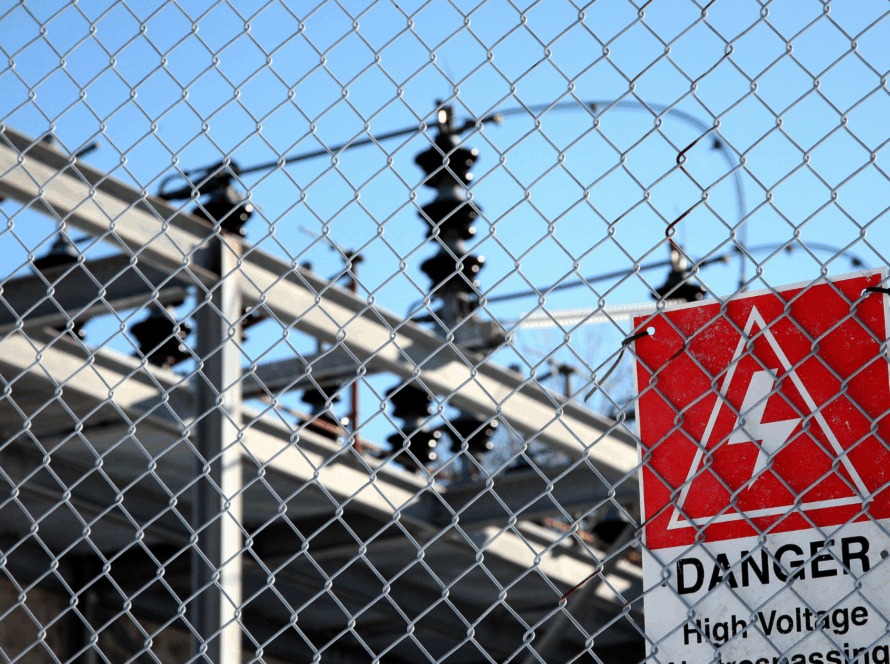
In the world of utility management, the high-voltage transformer is the undisputed heavyweight champion. It is the heart of the substation, stepping down massive voltage so it can power homes, hospitals, and factories. It is also, unfortunately, a ticking clock.
Transformers are massive, expensive, and filled with flammable oil. When they fail, they often fail spectacularly. A transformer fire is not just an operational headache; it is a catastrophe. It can lead to massive outages, millions of dollars in equipment loss, and serious environmental hazards. In high-risk areas, a spark from a failing substation can ignite a wildfire that devastates a community.
For years, the industry standard for fire safety has been reactive. We install smoke detectors and flame sensors. We put up firewalls. We build containment pits. These are all critical safety measures, but they all share the same flaw: they only alert you after the fire has started.
To ensure true grid reliability in 2026, we need to move the timeline to the left. We need to detect the failure before the first wisp of smoke ever appears. We need to stop looking for fire and start looking for heat.
Seeing the Invisible
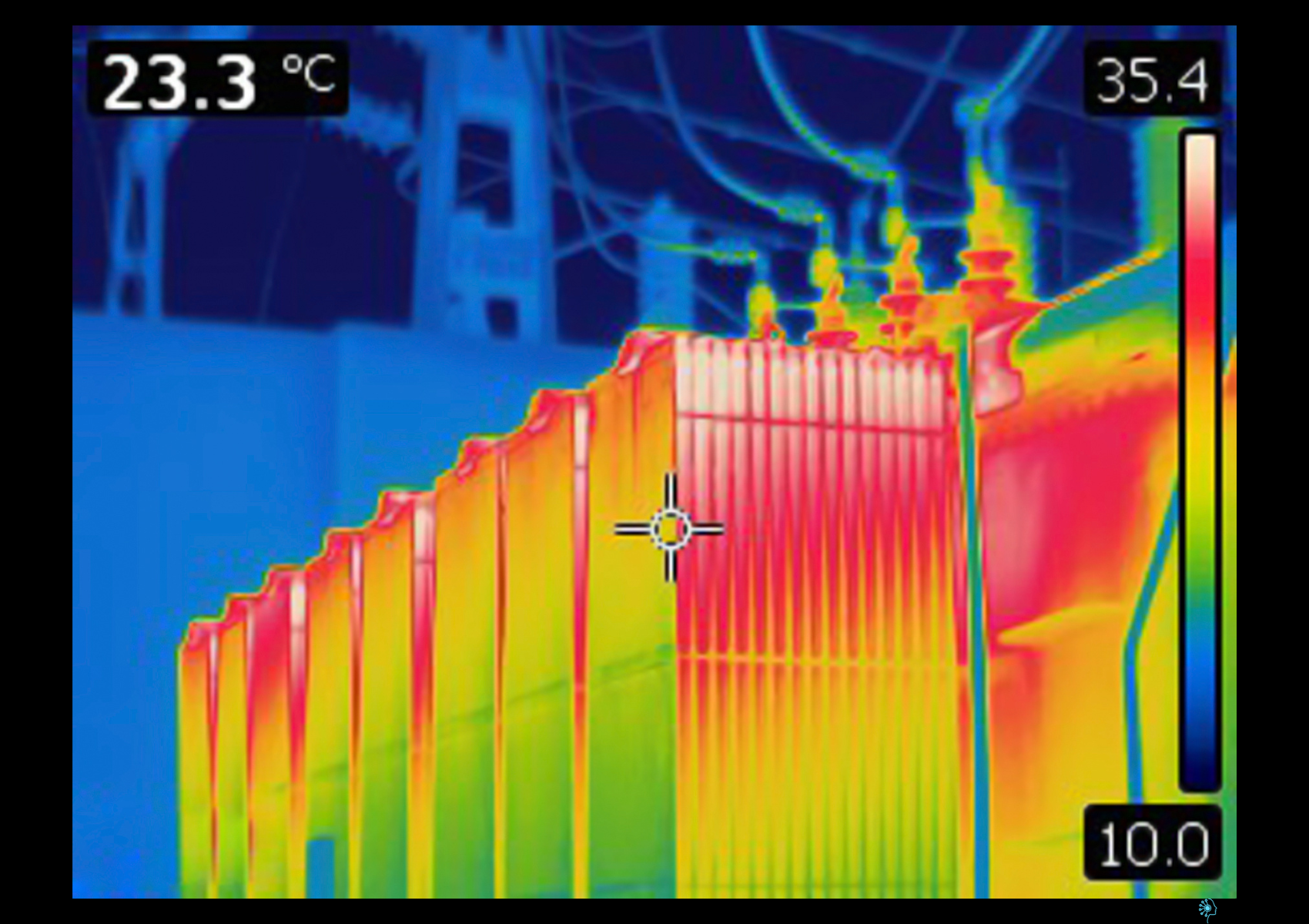
Failures in electrical equipment rarely happen instantly. They are almost always preceded by a change in temperature. A loose connection creates resistance. A failing bushing generates friction. An overloaded core builds up excess energy.
This heat is the warning signal, but it is invisible to standard security cameras and smoke detectors. By the time a standard sensor triggers an alarm, the internal damage is already done, and you are in disaster mitigation mode.
This is why thermal monitoring is the most critical upgrade for modern substation management. By integrating thermal sensors into your Airez platform, you can continuously monitor the temperature profile of your critical assets.
Thermal sensors do not just tell you that a transformer is “hot.” They provide a heat map that allows you to spot anomalies. You can see if one cooling fin is significantly hotter than the others. You can identify a hotspot on a specific bushing connection. This context allows you to distinguish between a transformer running hot due to a summer load spike and a transformer that is actively degrading.
The Context of the Environment
One of the biggest challenges with remote sensors is understanding the environment. A temperature spike on a 100-degree day in West Texas means something different than a temperature spike on a cool morning in Colorado.
Airez provides the intelligence to interpret this data. Because our platform ingests data from environmental sensors alongside thermal feeds, we can contextualize the alert. We can correlate the equipment temperature with the ambient weather conditions.
If the ambient temperature is rising, the system knows to expect a baseline increase in equipment temperature. But if the weather is stable and the transformer temperature is climbing rapidly, the system recognizes this as a specific mechanical anomaly.
This reduces the noise for your operations center. You aren’t getting alerts every time the sun comes out. You are getting an alert that says: “[High] Alert: 13th St. Substation. Transformer 3 showing 15% heat variance on north bushing.”
Fire Prevention is Asset Protection
The ROI of this technology goes beyond safety. It is a direct contributor to asset life extension. High-voltage transformers have lead times that can stretch for months or years. Protecting the assets you currently have is the most effective way to ensure grid stability.
By catching an overheating component early, you can convert a potential catastrophe into a routine maintenance ticket. You can de-energize the unit and tighten the connection or replace the part before it melts. You avoid the fire, you avoid the total asset loss, and you avoid the reputation-damaging blackout.
A Unified View of Safety and Security
Historically, fire systems and security systems lived in different worlds. The security team watched the cameras for intruders, and the safety team monitored the SCADA data for faults.
Airez breaks down these silos. We believe that a threat to the substation is a threat to the grid, regardless of whether that threat is a person climbing a fence or a wire melting down.
Our platform integrates thermal monitoring, smoke detection, and video surveillance into a single dashboard. This gives you a complete operational picture. If a thermal alarm triggers, your operators can instantly view the live video feed to look for visible smoke or signs of sabotage. If a smoke detector goes off, they can check the thermal history to see where the heat originated.
Don’t Wait for the Smoke
The old saying “where there’s smoke, there’s fire” is true, but in the utility industry, it is also too late. By the time you see smoke, you are already losing money.
Modern utility management requires predictive insight. It requires the ability to see the invisible heat signatures that signal danger. By giving your substation the ability to sense temperature as well as intruders, you are building a grid that is not just secure, but resilient.
Is Your Substation Overheating?
Don’t wait for a catastrophic failure to check the health of your critical assets. Airez integrates thermal imaging and environmental sensors to give you a real-time view of your equipment’s temperature and performance.
Predict the failure. Prevent the fire.