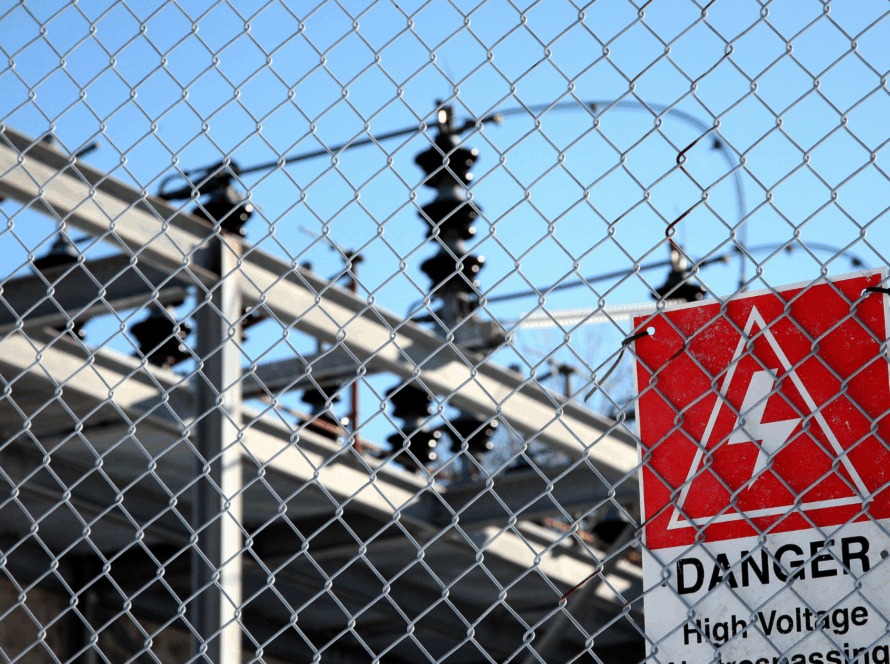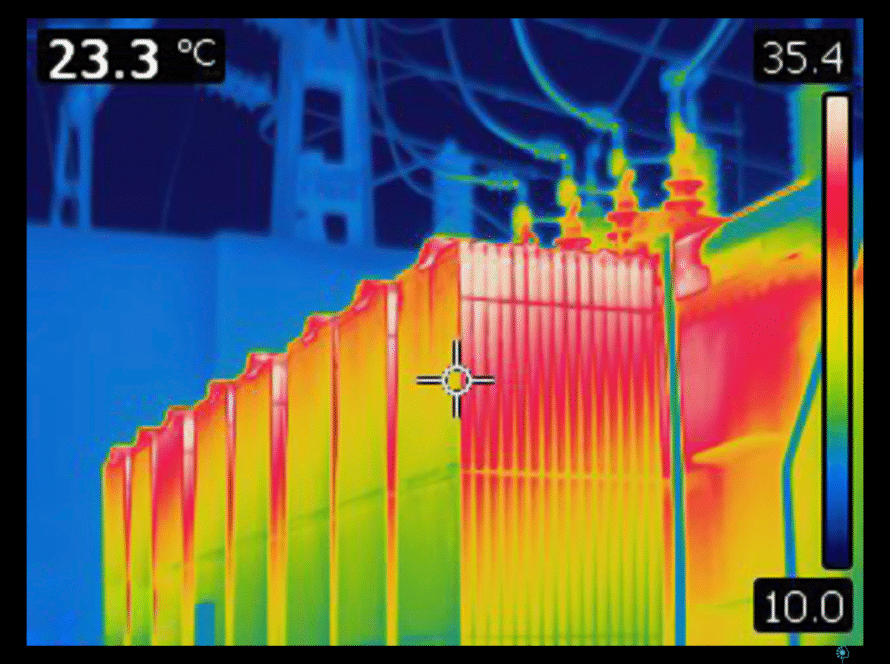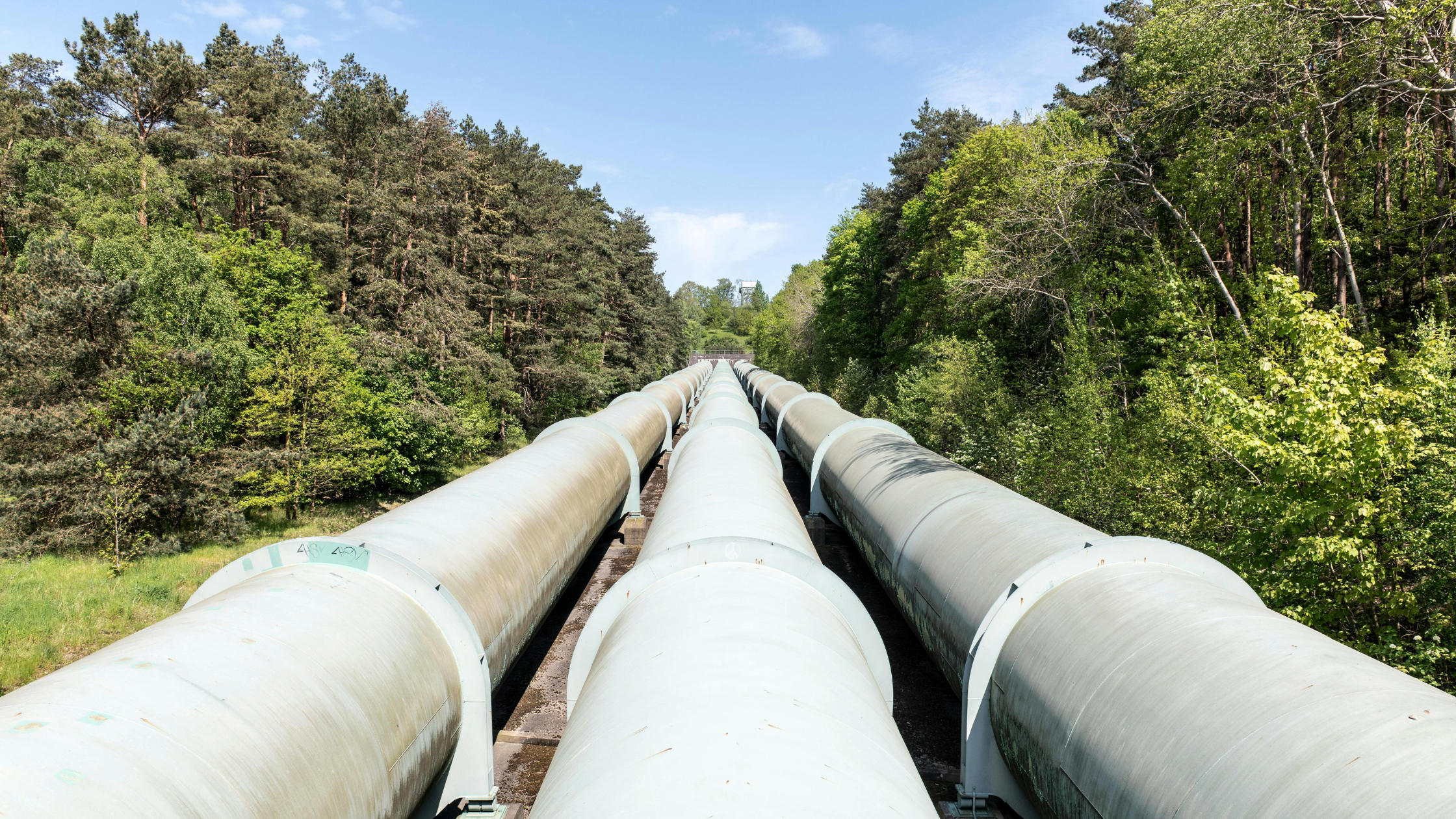
If you were tasked with securing a single building, the strategy would be obvious. You would put up a fence, install some cameras, and maybe hire a guard. But how do you secure an asset that is three hundred miles long?
This is the fundamental challenge of the oil and gas industry. Pipelines are the backbone of energy infrastructure, yet they are uniquely difficult to protect. They traverse vast, uninhabited regions. They cross private land, public parks, and rugged terrain. You cannot fence the entire length of a transmission line. You cannot install a camera every fifty feet from the Permian Basin to the Gulf Coast.
For decades, operators have relied on a patchwork of solutions to solve this. We use aerial patrols that only see a snapshot in time. We rely on scheduled pigging runs to check internal integrity. We depend on SCADA systems that might tell us that pressure dropped, but rarely tell us why or exactly where.
The industry needs a solution that is continuous rather than periodic. We need a way to monitor the entire length of the asset in real time. The answer lies in a technology that might already be buried right next to your pipe: fiber optic sensing.
The Nervous System of the Pipeline
Fiber optic cables are usually thought of as data highways, but in the world of physical security, they serve a much more powerful purpose. With the right technology, a standard fiber optic cable can be transformed into a distributed sensor. It acts like a continuous microphone that spans hundreds of miles.
This technology detects minute vibrations in the soil. It turns the entire length of the pipeline into a sensitive nervous system that can “feel” disturbances long before they become visible to the naked eye.
This capability is critical because the most dangerous threats to a pipeline are often invisible until it is too late. A camera cannot see a micro-leak starting to form on the bottom of a buried pipe. A patrol plane cannot see a saboteur digging two miles away in the middle of the night.
Fiber optic sensing changes the equation. It allows you to “hear” the environment surrounding your asset.
Listening for Sabotage
The threat of physical sabotage against energy infrastructure is real and growing. “Bad actors” are no longer just looking for copper to steal; they are looking to disrupt operations.
When an intruder approaches a remote section of a pipeline, they create a distinct acoustic signature. Driving a truck near the right-of-way creates a specific vibration. Walking creates another. Digging with a shovel or an excavator creates a heavy, rhythmic disturbance.
By integrating fiber optic sensors, the Airez platform can detect these vibrations instantly. More importantly, it can distinguish between them. It knows the difference between a farmer plowing a field nearby and a vehicle stopping directly over the line.
This allows for a “pre-incident” response. You aren’t reacting to an explosion or a massive spill. You are reacting to the vibration of digging. You are alerted to the presence of unauthorized vehicles. You can stop the threat while it is still in the “reconnaissance” or “attempt” phase, rather than the “disaster” phase.
Listening for Leaks and Failures
The value of fiber optic sensing extends far beyond security. It is a powerful tool for operational integrity.
Leaks are noisy. Even a small pinhole leak in a high-pressure line generates a specific acoustic frequency as the product escapes. Fiber sensors can detect this acoustic signature and pinpoint the location to within a few meters.
Consider the cost of a leak that goes undetected for days versus one that is detected in minutes. The environmental remediation costs alone are astronomical, not to mention the loss of product and the public relations nightmare.
Furthermore, these sensors are excellent at monitoring the health of the equipment attached to the line. Pumps and valves generate vibration patterns when they operate. When a bearing starts to wear out or a pump starts to cavitate, that vibration pattern changes.
Airez captures this data to provide proactive maintenance alerts. Instead of waiting for a pump to seize up and stop flow, you get a notification: “[High] Alert: Wellfield to Pump Station 3. Large vibration detected at mile 34”. This allows you to schedule repairs during planned downtime rather than scrambling to fix a catastrophic failure.
The Brain Behind the Ears
The challenge with fiber optic sensing has always been data overload. A cable stretching one hundred miles generates a massive amount of acoustic data every second. Without the right software to interpret it, that data is just noise.
This is why the Airez platform is designed to be the “brain” of your security infrastructure. We ingest the raw data from fiber optic sensors, microphones, and cameras and run it through advanced AI analysis.
We apply context to the vibration. We correlate the “hearing” with the “seeing.” If the fiber sensor detects a vibration at Mile Marker 10, the system can instantly cue the nearest PTZ camera to swing to that location for visual verification.
This fusion of data is the essence of the “Hear. See. Alert.” methodology. You don’t just get a squiggle on a graph. You get a confirmed, actionable insight. You know exactly what is happening, exactly where it is happening, and how to stop it.
A Unified View of Remote Assets
Managing pipelines often means managing blind spots. You have sections of the line that are dark, silent, and vulnerable. Fiber optic sensing illuminates those dark spots.
By integrating this technology into a centralized dashboard, Airez gives operators a complete, real-time view of their asset’s health. You can monitor for intruders, leaks, and equipment failure from a single pane of glass, whether the asset is in the next town or the next state.
The pipeline network is too vast to watch with human eyes alone. It is time to start listening.
Stop Guessing. Start Listening.
Your pipeline is generating data every second—about its integrity, its security, and its environment. Are you capturing it, or is it disappearing into the ground?
Airez integrates fiber optics, audio, and visual data to give you a complete picture of your remote assets. Detect the leak before the spill. Detect the intruder before the breach.
See Airez in Action.