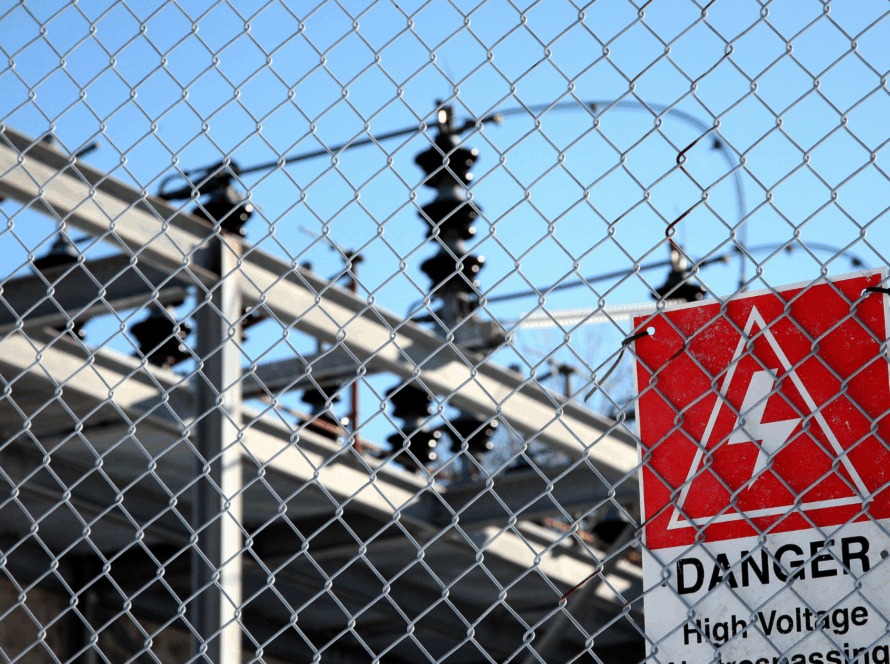
For telecom operators and utility companies, remote cell towers and electrical substations are critical infrastructure. They are also incredibly vulnerable targets.
As global copper prices soar, thieves are increasingly targeting these isolated facilities to strip grounding bars, cables, and wiring. The result is catastrophic: massive replacement costs, severe regulatory fines, and dangerous network outages.
Facility operators have historically relied on standard CCTV cameras and basic motion sensors to secure these sites. But standard cameras share a fatal flaw: they are reactive. By the time a security operations center (SOC) receives an alert and reviews the video, the thieves are gone, and the copper has been stripped.
To stop copper theft, the industry must move beyond recording the aftermath of a breach. Here is why legacy cameras fail at remote sites, and how the Physical Intelligence Layer™ is actively preventing theft before the perimeter is compromised.
The Financial Reality of the Copper Epidemic
Copper theft is not just a nuisance; it is a highly lucrative criminal enterprise. According to the National Insurance Crime Bureau (NICB): Thieves turn copper theft gold], the illicit market for stolen metals continues to drive aggressive, organized hits on critical infrastructure.
For operators, the cost of the stolen material is only a fraction of the total loss. The true financial drain includes:
- Operational Downtime: Hours or days of lost service for cellular or utility customers.
- Labor and Truck Rolls: Dispatching emergency crews to isolated sites to assess and repair the damage.
- Collateral Damage: Thieves often destroy expensive HVAC units, transformers, and fencing just to access a few hundred dollars worth of copper.
Why Legacy CCTV Fails at Remote Cell Towers and Substations
Remote sites present unique geographical and technical challenges that render standard security cameras highly ineffective.
1. Zero Lighting and Extreme Weather
Standard optical cameras require good lighting to detect a threat. Remote towers and substations are often pitched in total darkness. Furthermore, standard motion analytics are easily triggered by environmental noise—whether it is blowing debris in a desert or heavy snow and freezing fog in the Rockies. This creates massive alert fatigue, causing operators to ignore critical warnings.
2. Intermittent Connectivity (The Cloud Latency Problem)
Most “smart” cameras rely on cloud processing. They send massive video files to a remote server to determine if a moving object is a human or a shadow. In remote locations with weak or intermittent bandwidth, this causes severe latency. If the network goes down, the cameras go blind.
3. Reactive Detection
A standard camera only triggers when a pixel changes in its field of view. It does not understand intent. It simply alerts you that someone is already inside the fence, actively dismantling your infrastructure.
Catching the Intent: How Sensor Fusion Changes the Game
To actually prevent copper theft, security systems must detect the intent of the threat before the perimeter is breached. This requires shifting from isolated cameras to a unified Physical Intelligence Layer™.
Platforms like AIREZ solve the remote site problem through Multi-Modal Sensor Fusion. Instead of relying purely on video, AIREZ correlates multiple data streams simultaneously:
- Acoustic Signatures: AIREZ directional microphones listen for specific frequencies. The system can detect the distinct audio signature of a battery-powered angle grinder or bolt cutters hitting a chainlink fence before the thieves even make it through.
- Thermal Imaging: AIREZ thermal sensors cut through total darkness, heavy rain, and fog. They detect the heat signatures of approaching vehicles or individuals hiding in the tree line just outside the perimeter.
- Visual Verification: High-definition optical data provides the final layer of context for the SOC to verify the threat.
By fusing these signals, operators eliminate false alarms from weather and wildlife, ensuring that every alert is a verified, actionable threat.
Edge Autonomy: Security That Doesn’t Rely on the Cloud
The most critical advantage for remote locations is Edge Intelligence.
AIREZ does not wait for the cloud. The AI inference runs locally on ruggedized edge nodes mounted directly at the site. This means the system continuously processes thermal, acoustic, and visual data with zero latency, even if the site loses its primary internet connection.
See how AIREZ deploys infrastructure-grade AI at the edge.
Stop Recording the Aftermath
Standard cameras will happily record high-definition footage of thieves driving away with your copper grounding bars.
True security means turning your remote infrastructure into an intelligent, self-monitoring system. By deploying edge AI and sensor fusion, telecom and utility operators can detect the sound of the saw, spot the thermal signature in the dark, and dispatch authorities before a single wire is cut.
Frequently Asked Questions
Why is copper theft so common at cell towers and substations?
Cell towers and electrical substations are heavily targeted for copper theft because they utilize large amounts of heavy-gauge copper wiring and grounding bars. These sites are often geographically isolated, unstaffed, and poorly lit, giving thieves ample time to strip the metals with minimal risk of immediate detection by standard security patrols.
How does acoustic sensor fusion prevent fence cutting?
Legacy security systems only alert operators after a physical perimeter is breached. Acoustic sensor fusion uses edge AI to continuously monitor audio frequencies. It is trained to recognize the specific sound signatures of metal tools, such as angle grinders, reciprocating saws, or bolt cutters. This allows the system to trigger a pre-breach alert the moment a tool is used against the fence.
Do AI security cameras work without an internet connection?
Cloud-reliant AI cameras fail when internet connectivity drops, which is common at remote infrastructure sites. However, Edge AI security platforms (like AIREZ) process all visual, thermal, and acoustic data locally on ruggedized hardware. This allows the system to maintain full predictive threat detection and situational awareness even during network outages.
What is the best way to reduce false alarms at remote utility sites?
The most effective way to eliminate false alarms is to replace pixel-based motion sensors with AI-driven multi-sensor fusion. By correlating thermal heat signatures with optical video and acoustic data, the AI can easily differentiate between a verified human threat and environmental noise like blowing tarps, wildlife, or severe weather conditions.