What is a physical intelligence layer?
A physical intelligence layer is an advanced security architecture that combines multi-sensor fusion with edge-based artificial intelligence to proactively verify and intercept threats. Instead of relying on passive cameras that only record footage, a physical intelligence layer actively cross-references data from fiber optics, video, and environmental sensors in real time. For critical infrastructure security, this technology filters out false alarms, provides instant situational analysis, and transforms standard perimeter boundaries into active defense networks.
The Problem with Passive Boundaries
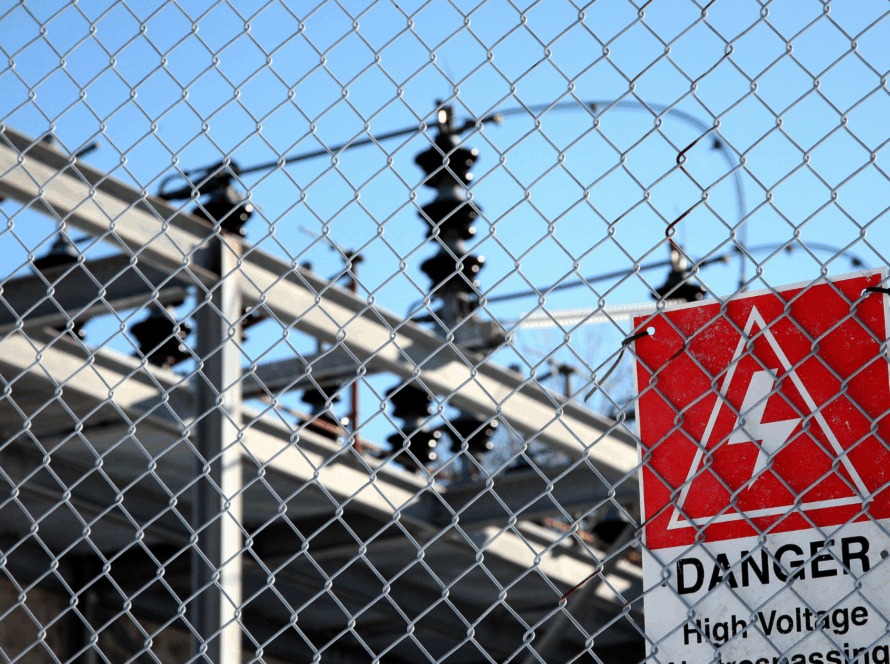
Government and public safety facilities face evolving threats that traditional physical security systems simply cannot handle. Fences, standard access control gates, and basic motion-detection cameras are inherently passive. They are designed to act as deterrents and forensic tools.
When a breach occurs at a high-risk facility, reviewing camera footage after the fact does not protect the asset. Furthermore, relying on standard pixel-based motion detection generates overwhelming alert fatigue. Security teams are constantly dispatched to investigate harmless events like heavy wind, passing wildlife, or shifting shadows. To maintain true infrastructure resilience, public safety leaders need a system that verifies real threats before a breach happens.
Upgrading to a Physical Intelligence Layer
A modern physical intelligence layer eliminates the blind spots of legacy hardware by utilizing AI-driven sensor fusion. This means the system does not rely on a single source of truth. It integrates multiple data streams to provide total awareness.
Airez acts as this intelligence layer by integrating directly with your existing infrastructure. We allow organizations to manage a wide variety of new and existing sensors seamlessly.
Here is how the Airez physical intelligence layer functions in the field:
- Sensor Fusion: Airez allows you to leverage the power of cutting-edge fiber optics combined with video-based artificial intelligence to keep a vigilant watch on every corner of your area.
- Instant Verification: If the fiber optic cable detects a physical vibration on the fence line, the system instantly cross-references the nearest camera feed to visually verify the cause.
- Zero-Latency Alerting: Because the AI processes these events locally at the edge, organizations benefit from instantaneous analysis of your environment, ensuring you’re always one step ahead.
Core Benefits for Government and Public Safety
Deploying a physical intelligence layer fundamentally shifts your perimeter defense from a reactive posture to a proactive strategy.
Enhanced Asset Protection
High-value public safety targets require immediate intervention during an incident. The intelligence layer allows teams to monitor critical infrastructure in real-time, ensuring immediate awareness of any unauthorized activities or anomalies.
Clear and Actionable Security Monitoring
During an active threat, security operators do not have time to parse through complex dashboards. Airez streamlines communication by allowing teams to receive real-time, precise, and clear textual updates on ongoing situations. This ensures that first responders and on-site personnel have the exact context they need before they arrive at the scene.
Superior Infrastructure Resilience
A physical intelligence layer goes beyond intrusion detection. It acts as a comprehensive operational tool. By uniting thermal, audio, and environmental sensors under one platform, you can equip your teams with actionable insights that facilitate rapid responses to incidents, ensuring the safety of personnel and minimizing disruption.
Transitioning to a physical intelligence layer is the most effective way for government leaders to eliminate false alarms, secure their perimeters, and protect their critical assets with absolute certainty.