How do you prevent copper theft at remote sites and critical infrastructure?
The most effective way to prevent copper theft at remote telecom towers and utility substations is by deploying edge-based sensor fusion. Traditional security relies on reactive cameras that only record the theft after the fact. By implementing a Physical Intelligence Layer™ that combines fiber-optic perimeter sensors, thermal AI, and localized edge computing, organizations can instantly detect perimeter intrusions and intercept thieves with zero latency before they breach the facility or reach the copper grounding wire.
The Financial and Operational Threat of Copper Theft
Whether it is a remote utility substation or a highly distributed telecom tower network, copper is the lifeblood of critical infrastructure. But for criminals, the rising global price of copper makes these unmanned, remote sites incredibly lucrative targets.
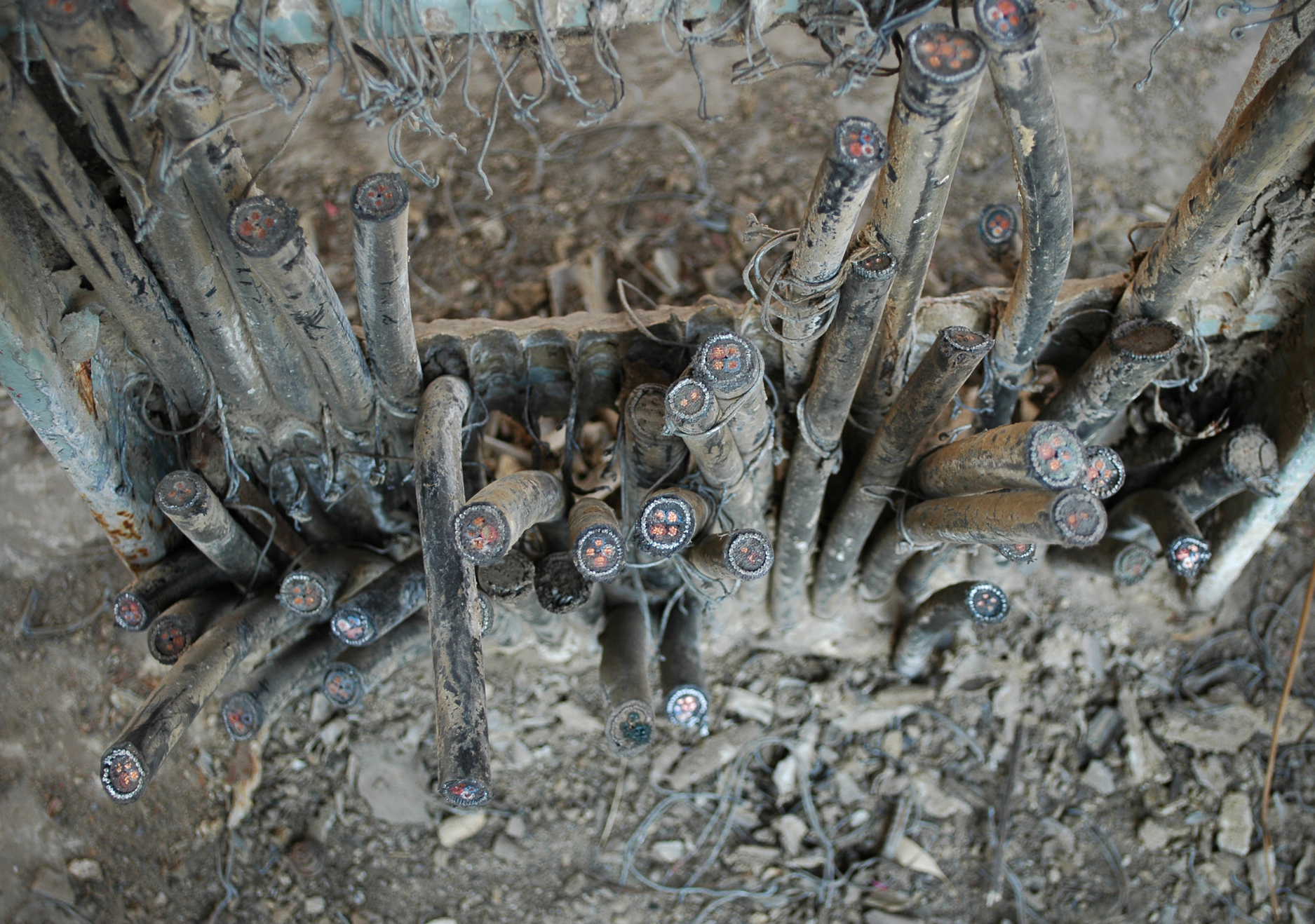
For operators, the cost of the stolen copper itself is negligible compared to the collateral damage. A single theft event can cause catastrophic grid outages, drop cellular coverage for thousands of users, trigger severe regulatory compliance fines, and require hundreds of thousands of dollars in equipment replacement. Furthermore, dispatching emergency truck rolls to patch the damage drains operational budgets (OPEX) and pulls engineering teams away from scheduled maintenance.
The Failure of Traditional Remote Security
Most organizations attempt to solve the copper theft problem by installing more security cameras. This strategy fundamentally misunderstands how criminals operate at remote sites.
Standard video surveillance is a forensic tool. It records history. Thieves know that remote cell towers and substations are unstaffed, and they know how to evade pixel-based motion detection by moving slowly, wearing dark clothing, or striking during heavy storms when visibility is poor.
As we have previously detailed in our technical breakdown of why standard cameras cannot stop copper theft at remote sites, relying on visual video analytics results in endless false alarms from wildlife and weather. By the time a Global Security Operations Center (GSOC) verifies a real threat, the thieves have already cut the grounding wire and vanished.
The Safety & Regulatory Imperative
The threat of copper theft extends far beyond financial loss and downtime. It is a critical safety hazard.
At utility substations, cutting live grounding wires creates an immediate risk of arc flashes and fatal electrocution. At telecom towers, removing copper grounding leaves the multi-million-dollar tower hardware highly vulnerable to catastrophic lightning strikes. Securing the perimeter is not just an operational requirement; it is a life-safety and regulatory mandate. We explore the human toll of these breaches in our comprehensive report on the lethal cost of copper and why theft prevention is a safety imperative.
The Prevention Blueprint: The Physical Intelligence Layer™
To completely prevent copper theft, infrastructure operators must transition from forensic recording to proactive interception. You must detect the intent before the breach occurs.
Airez achieves this by deploying The Physical Intelligence Layer. This approach centralizes your remote site security into a single, unified dashboard and utilizes edge-based sensor fusion to eliminate blind spots.
Here is the three-step blueprint for securing your remote assets:
1. Secure the Perimeter with Fiber Optics
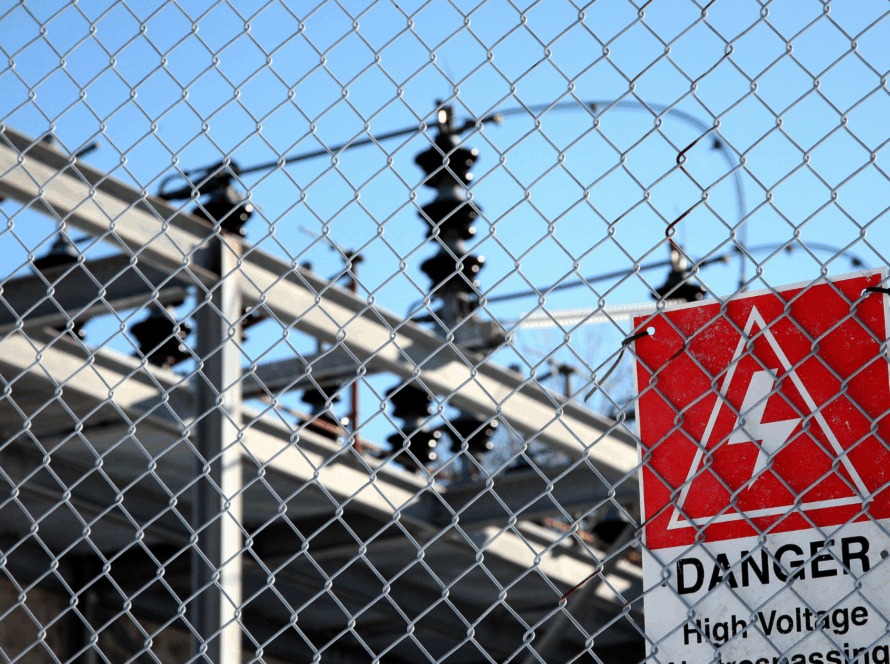
Before an intruder can steal copper, they must defeat the fence. Airez utilizes advanced Fence Intrusion Detection Systems (FIDS), such as the OpticSense fiber-optic cable. This sensor physically “feels” the perimeter. If a thief attempts to cut, climb, or lift the chainlink fence, the system instantly registers the exact location of the kinetic disturbance, completely immune to the false alarms caused by wind or rain.
2. Deploy Thermal AI for Invisible Threats
Thieves prefer to operate in total darkness. Airez fuses the physical vibration data from the fence with edge-enabled thermal AI cameras. When the fence is touched, the thermal camera instantly locks onto the heat signature of the intruder. This completely nullifies their ability to hide in the dark, in fog, or behind light brush.
3. Process at the Edge for Zero Latency
Remote sites are often located in rural areas with unreliable internet bandwidth. Cloud-based security systems experience dangerous latency delays and go completely blind if the network connection drops. Airez processes all sensor fusion data locally at the edge. This guarantees continuous, zero-latency threat detection. When an intrusion is verified, your operators receive an instant alert on their dashboard, allowing them to dispatch local law enforcement while the thief is still on the outside of the fence.
Stop Recording Thefts. Start Preventing Them.
Protecting your remote sites from copper theft does not require a massive, expensive hardware overhaul. Airez is designed to integrate seamlessly with your existing infrastructure.
By pulling your cameras, thermal sensors, and perimeter data into one centralized dashboard, your team gains real-time visibility across hundreds of remote sites simultaneously. You stop paying to discover outages after the fact, eliminate wasted truck rolls for false alarms, and secure your infrastructure with absolute certainty.
Ready to see how edge-based sensor fusion protects critical infrastructure? Contact the Airez team today to schedule a demo of The Physical Intelligence Layer.