What is the best perimeter intrusion detection technology? The most effective perimeter intrusion detection technology utilizes sensor fusion, which combines a fiber optic Fence Intrusion Detection System (FIDS) with edge-based visual AI. Relying on cameras alone results in high false alarm rates and reactive security blind spots. By layering physical vibration data with real-time video analytics, organizations can filter out environmental noise, instantly verify human intrusion attempts, and intercept threats at the fence line before a breach occurs.
Why Cameras Alone Fail for Perimeter Security
For decades, critical infrastructure facilities have treated video surveillance as the ultimate security solution. But cameras are inherently passive. They are forensic tools designed to record history, not intercept active threats.
When organizations rely solely on cameras to secure miles of perimeter fencing, they run into a fatal operational flaw: alert fatigue. Standard video analytics cannot distinguish between a malicious intruder and environmental noise. Heavy wind, passing shadows, stray wildlife, and debris trigger constant false alarms in the Global Security Operations Center (GSOC).
Eventually, operators stop paying attention to the alerts. When a real breach happens—whether it is copper theft at a substation or unauthorized access at a data center—the team only discovers it after the damage is done. You cannot secure a perimeter with technology that cries wolf a hundred times a day.
What Is a Fence Intrusion Detection System (FIDS)?
To eliminate false alarms and secure the boundary, high-risk facilities utilize a Fence Intrusion Detection System (FIDS).
A FIDS is a specialized perimeter security technology that physically attaches to a fence line to detect the vibrations, shocks, and movements associated with a break-in attempt. Instead of watching the perimeter, a FIDS “feels” it. If an intruder attempts to climb, cut, or lift the fence fabric, the system instantly registers the kinetic disturbance and triggers an alarm.
Fiber Optic vs. Standard Fence-Mounted Systems
Not all fence detection systems are equal. Legacy systems rely on basic copper-wire shock sensors, which are prone to electrical interference, lightning strikes, and degradation over time.
The gold standard for critical infrastructure is Fiber Optic Intrusion Detection. Systems like the AIREZ OpticSense utilize a single fiber optic cable run along the fence line. Pulses of laser light are sent through the cable. When the fence vibrates, it alters the light pattern. This technology is entirely immune to electromagnetic interference, requires zero power in the field, and can pinpoint the exact location of a breach attempt within meters.
The AIREZ Approach: Sensor Fusion at the Edge
A fiber optic FIDS tells you where a disturbance is happening. Visual AI tells you what is causing it. AIREZ brings them together through The Physical Intelligence Layer.
We utilize “sensor fusion” to completely eliminate the blind spots of legacy security. When the OpticSense fiber optic cable detects a vibration on the fence line, the AIREZ system instantly cross-references that physical data with the visual feed from the nearest edge-enabled camera.
If the vibration was caused by a falling tree branch or a heavy wind gust, the AI filters it out. No alarm is sent. But if the system detects human movement matching the vibration data, it instantly alerts the GSOC with a verified, localized threat. Your operators receive the exact location, the live video feed, and the context required to dispatch security immediately.
How Utility Companies Secure Substations
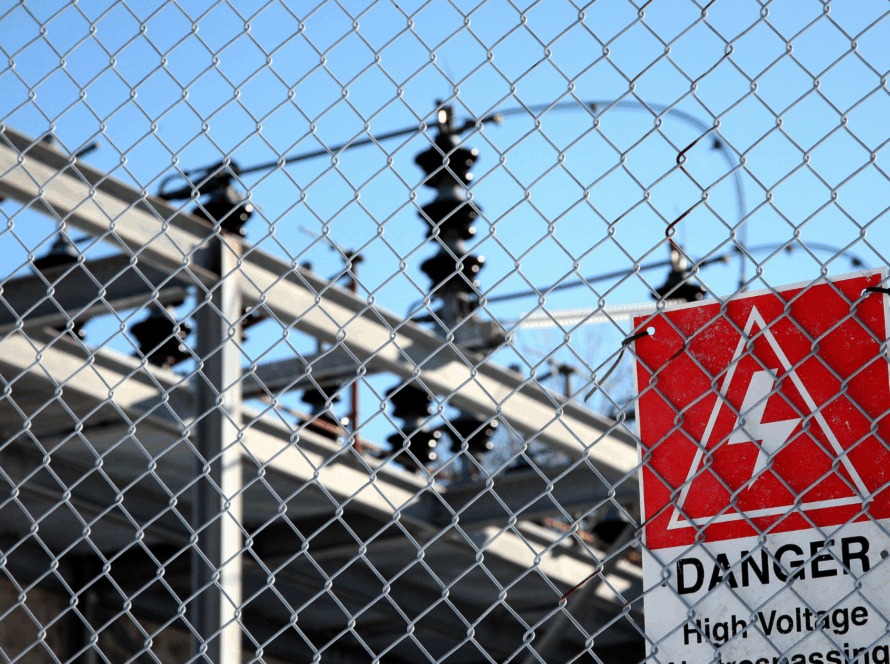
Electrical utilities manage some of the most targeted and distributed critical infrastructure in the world. Substations are often unmanned, highly remote, and prime targets for copper theft and vandalism. A successful breach can result in massive grid outages and severe NERC CIP compliance penalties.
To secure these sites, modern utility companies are abandoning camera-only strategies. Instead, they deploy the AIREZ Physical Intelligence Layer. By equipping the perimeter with fiber optic detection and layering edge-based AI over their existing cameras, utilities transform their substations into autonomous defense systems.
When a thief touches the outer fence, the GSOC is alerted before the perimeter is even breached. By catching the intent rather than recording the aftermath, utilities protect their assets, maintain compliance, and ensure total grid uptime.
Stop Recording History
You cannot protect critical infrastructure with reactive technology. If your security team is reviewing footage to see how an intruder got through your fence, your perimeter has already failed.
Ready to eliminate false alarms and secure your perimeter? Contact the AIREZ team today to see how sensor fusion and The Physical Intelligence Layer outmaneuver standard perimeter security.