What is the 2026 standard for critical infrastructure security?
In 2026, critical infrastructure security requires a proactive, layered approach that merges physical security with AI-driven threat detection. For government agencies, utilities, and data centers, legacy reactive security systems are no longer sufficient to protect assets. Modern perimeter security relies on multi-sensor fusion, edge computing, and real-time monitoring to instantly verify threats, ensure compliance readiness, and maintain operational resilience against both physical and localized cybersecurity breaches.
The Evolution of Asset Protection in High-Risk Environments
Critical infrastructure facilities operate in complex environments where security threats, equipment failures, and safety incidents can disrupt essential public services. Whether managing a regional utility grid, a hyperscale data center, or a classified government facility, operations leaders are facing unprecedented challenges.
Historically, physical security relied heavily on passive barriers and forensic video recording. However, as the tactics of bad actors evolve, so must our defensive postures. Critical sites are constant targets for trespassing, theft, and sabotage. In 2026, relying on standard cameras that only record history is a critical vulnerability. Organizations must shift from recording incidents to actively intercepting them.
Layered Perimeter Security: The 2026 Framework
A modern defense strategy requires multiple integrated layers of protection. When physical barriers are combined with intelligent security systems, facilities achieve total situational awareness.
1. The Physical Outer Boundary
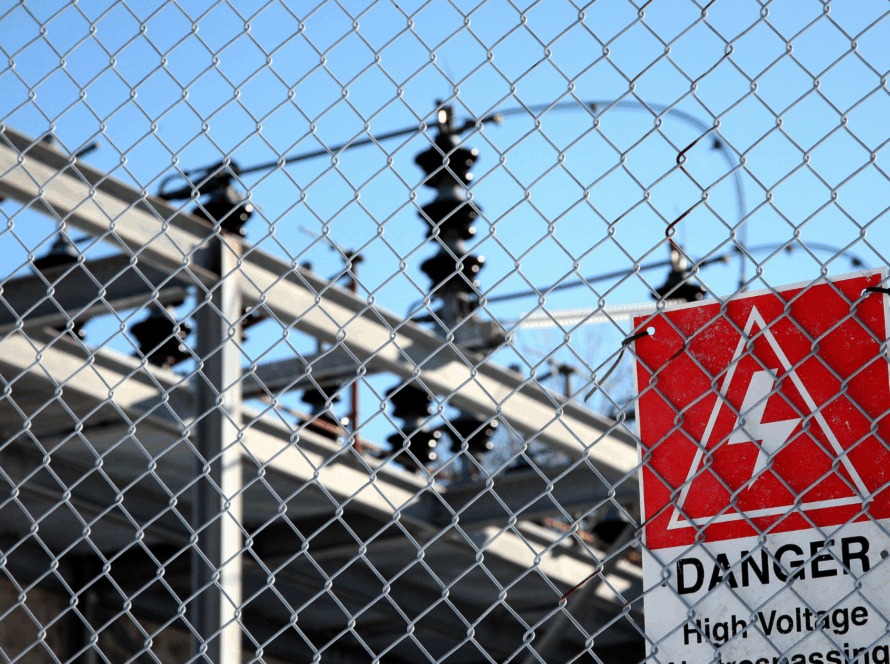
The first line of defense remains the physical perimeter. This includes crash-rated fencing, active vehicle barriers, and controlled access gates. However, passive fences alone are easily bypassed. They must be augmented with intelligent sensors to alert operators the moment an intrusion attempt begins.
2. Multi-Sensor Threat Detection
To eliminate blind spots, modern critical infrastructure security demands sensor fusion. Relying on a single data point generates costly false alarms. By integrating audio, video, thermal, and fiber optic environmental sensors into one unified platform, organizations can cross-reference data in real time.
3. Convergence of Physical Security and Cybersecurity
Physical security and cybersecurity can no longer exist in silos. A physical breach at a data center or utility substation can quickly become a cyber incident if unauthorized personnel gain access to network terminals. Perimeter security systems must be hardened against hacking attempts, utilizing encrypted edge computing to process data locally without relying on vulnerable cloud networks.
The Role of AI-Driven Real-Time Monitoring
The most significant leap forward in 2026 asset protection is the deployment of edge-based artificial intelligence. AI transforms reactive hardware into a proactive defense mechanism.
To create an impenetrable boundary, organizations can leverage the power of cutting-edge fiber optics combined with video-based artificial intelligence to keep a vigilant watch on every corner of your area.
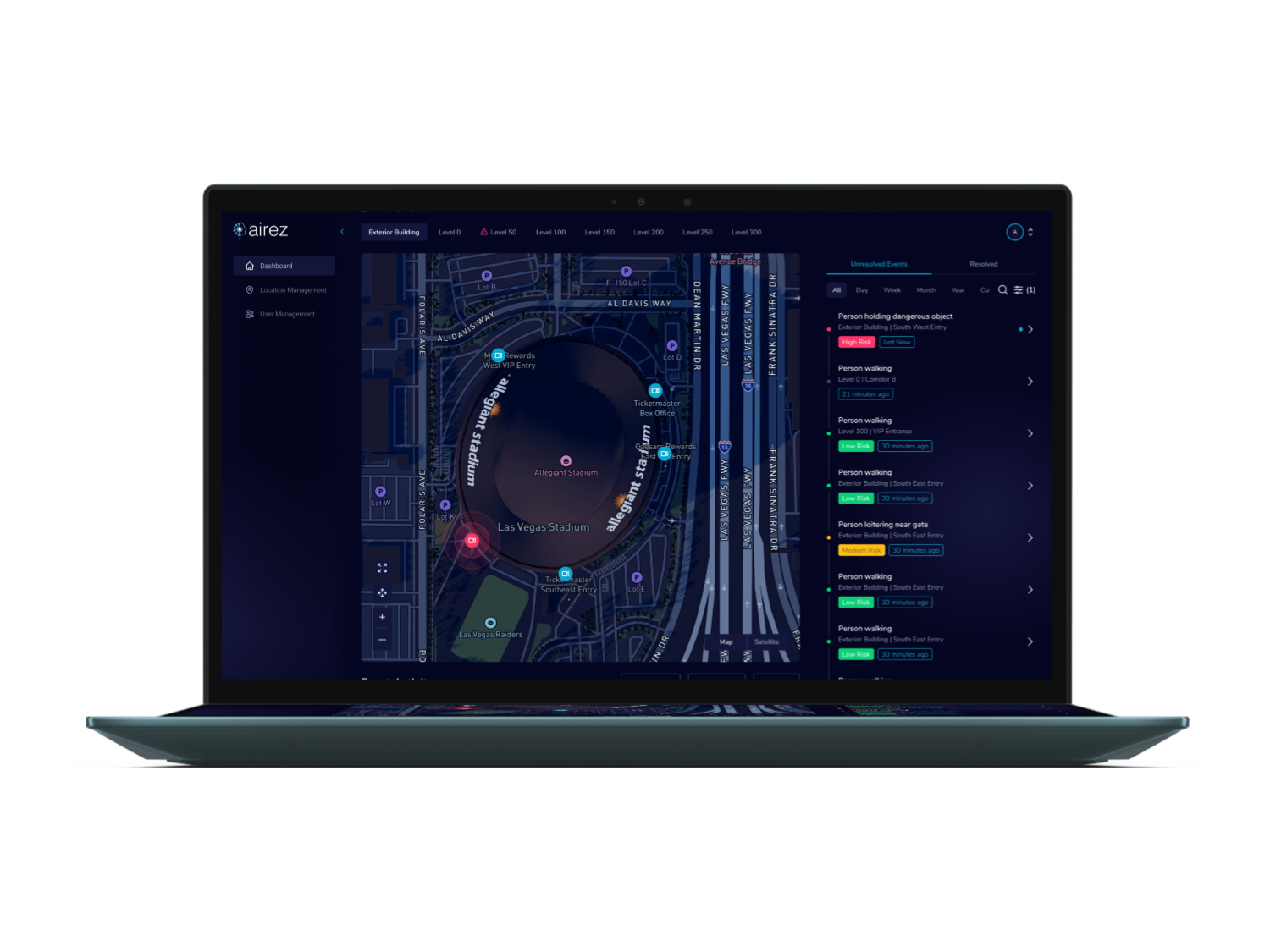
- Instantaneous Verification: Benefit from instantaneous analysis of your environment, ensuring you are always one step ahead. AI instantly cross-references physical fence vibrations with visual data to filter out environmental noise and wildlife.
- Operational Resilience: AI-driven monitoring goes beyond intrusion detection. It provides continuous oversight for equipment health, environmental hazards, and localized safety protocols.
- Compliance Readiness: Government and utility sectors are governed by strict compliance mandates. AI systems provide automated audit trails, real-time textual situation reports, and verified incident logs to satisfy regulatory requirements without manual oversight.
Upgrading to the Physical Intelligence Layer™
For security and operations leaders tasked with protecting the grid, the data, or the nation, Airez CriticalWatch offers a comprehensive solution.
By deploying a Physical Intelligence Layer™, facilities transition away from fragmented legacy technology. You can equip your teams with actionable insights that facilitate rapid responses to incidents, ensuring the safety of personnel and minimizing disruption.
The future of critical infrastructure security is not about installing more cameras. It is about deploying smarter intelligence.